Contract Fraud Biggest Source of Corruption in Public Sector, EFCC Chairman Warns
Olukoyede Urges Public Officials to Protect National Resources, Not Exploit Them


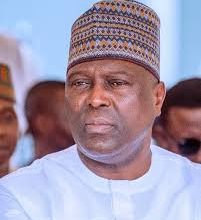
The Chairman of the Economic and Financial Crimes Commission (EFCC), Ola Olukoyede, has identified contract fraud as the most widespread form of corruption within Nigeria’s public sector, warning that manipulation of procurement processes continues to drain public resources and undermine national development.
Olukoyede made the remarks on Thursday in Abuja while delivering a lecture at a two-day induction programme organised by the Bureau of Public Service Reforms (BPSR) for the Chairmen, Chief Executive Officers and Governing Board members of the South-South Development Commission (SSDC). His presentation focused on the role of the EFCC in promoting transparency and accountability across public institutions.
Drawing from his experience in regulatory compliance and anti-corruption investigations, the EFCC boss said contract fraud remains the dominant form of financial misconduct in government establishments. According to him, many public officials exploit procurement procedures by manipulating contract awards to benefit themselves, associates or preferred companies instead of serving the public interest.
Olukoyede stressed that public office is a position of trust rather than an opportunity for personal enrichment. He reminded government appointees that every decision involving public funds must be guided by integrity, transparency and accountability, noting that citizens expect officials to safeguard national resources responsibly.
He said corruption continues to weaken governance by diverting funds meant for infrastructure, education, healthcare and other essential public services. According to him, efficient management of government resources is critical to improving service delivery and restoring public confidence in state institutions.
The EFCC chairman further advised members of the newly inaugurated South-South Development Commission to establish strong internal control systems capable of preventing financial misconduct before it occurs. He noted that effective oversight, compliance with procurement regulations and transparent financial management are essential safeguards against abuse of office.
Olukoyede also encouraged public office holders to familiarise themselves with existing financial regulations and procurement laws, warning that ignorance of due process would not shield anyone from investigation or prosecution where evidence of wrongdoing exists. He maintained that the commission remains committed to holding accountable any individual who misappropriates public resources.
His comments align with the EFCC’s broader anti-corruption campaign, which has increasingly focused on procurement-related offences across federal and state institutions. In recent years, the commission has investigated numerous cases involving inflated contracts, procurement irregularities, project abandonment and diversion of public funds, reinforcing its position that contract fraud represents one of the greatest threats to accountable governance in Nigeria.
Anti-corruption experts have long identified procurement abuse as a major driver of financial crimes within the public sector. Weak oversight mechanisms, political interference and inadequate compliance with procurement laws have often created opportunities for inflated contract values, ghost projects and conflicts of interest, resulting in significant losses of public revenue.
Olukoyede concluded by urging leaders of government agencies and development commissions to prioritise ethical leadership and institutional accountability. He said Nigeria’s development aspirations can only be achieved when public officials demonstrate integrity in the management of public resources and ensure that government contracts deliver value for citizens rather than private interests.