Nvidia Tests Lower-Memory Rubin Ultra Chips Amid HBM Shortage
Nvidia is reportedly evaluating Rubin Ultra designs with less high-bandwidth memory as the company faces growing pressure from tight supplies of advanced HBM chips.

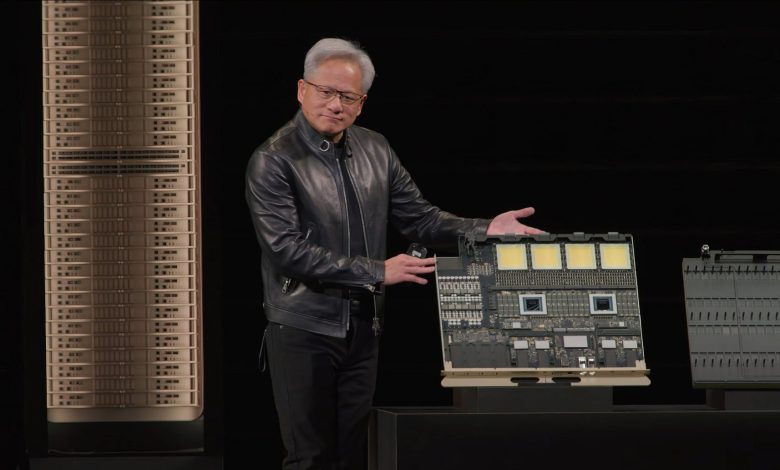
Nvidia is reportedly testing multiple versions of its upcoming Rubin Ultra AI processor, including configurations that use less high-bandwidth memory (HBM) than originally planned. The move comes as demand for advanced memory continues to surge alongside the rapid expansion of artificial intelligence infrastructure. Reports indicate Nvidia is evaluating at least three lower-memory variants as it looks for ways to navigate potential supply constraints.
High-bandwidth memory has become one of the most important components in modern AI accelerators because it allows processors to move enormous amounts of data quickly. However, the explosive growth of AI data centers has placed significant pressure on HBM production. Nvidia’s next-generation Rubin platform is designed around advanced HBM4 memory, making the availability of these components an increasingly important factor in the company’s production plans.
The reported lower-memory designs could give Nvidia greater flexibility if suppliers cannot provide enough HBM at the originally planned specifications. One reported configuration could use 192GB of on-package memory, compared with the 288GB associated with the higher-memory design. While reducing memory capacity could help ease supply pressure, it could also affect the performance of certain large AI workloads and potentially require customers to deploy additional processors.
The situation highlights a growing bottleneck in the AI semiconductor industry. Nvidia and other AI chip companies are competing for increasingly sophisticated memory components as cloud providers and technology companies build enormous AI data centers. Memory manufacturers such as SK hynix and Micron are expanding HBM production, but demand remains extremely strong. The shortage could therefore influence not only Nvidia’s chip designs but also the broader economics of AI infrastructure.
For Nvidia, the decision demonstrates how the company’s future growth depends on more than GPU computing power alone. Memory availability, advanced packaging and semiconductor manufacturing capacity are becoming equally important to the AI hardware race. Rubin is scheduled to become a major part of Nvidia’s next-generation AI platform, so any changes to its memory configuration could have consequences for performance, supply and data-center deployment. The reported testing does not necessarily mean Nvidia has finalized a lower-memory product, but it shows how seriously the company is preparing for continued pressure on the HBM supply chain.