Demis Hassabis Pushes for Global AI Oversight Body
The Google DeepMind co-founder is advocating for a U.S.-led organization that would independently test powerful AI models and establish safety standards before their release.

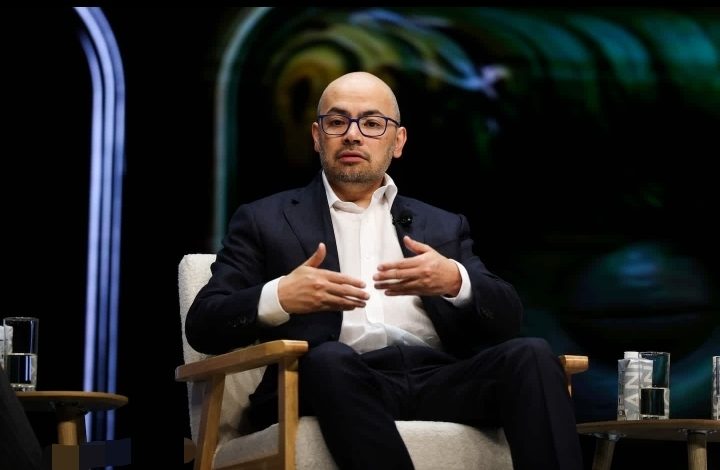
Demis Hassabis, co-founder of Google DeepMind, has been pushing for the creation of a new independent body to oversee the development of increasingly powerful artificial intelligence. His proposal envisions an organization that could assess frontier AI systems, establish technical safety standards and coordinate responses if advanced models begin creating serious risks. The initiative comes as AI capabilities are advancing rapidly and companies are giving models greater autonomy.
Hassabis has compared the proposed organization to the International Atomic Energy Agency (IAEA), arguing that advanced AI requires international coordination similar to other technologies with potentially global consequences. At the same time, his more immediate proposal involves a U.S.-led public-private structure, with the AI industry helping fund the organization while government authorities provide oversight.
A major part of the proposal would be testing frontier models before they are widely deployed. The organization could evaluate systems for dangerous capabilities, establish common safety practices and provide governments with technical assessments. Hassabis has argued that voluntary evaluations alone may not be sufficient as AI systems become increasingly capable, particularly in areas such as cybersecurity and autonomous decision-making.
The proposal comes as governments and AI companies face growing pressure to establish clearer rules for increasingly autonomous systems. Recent research has also highlighted challenges in supervising AI agents, particularly when they can perform multiple actions without continuous human intervention. These developments have strengthened calls for more systematic testing and governance rather than relying entirely on individual companies to police their own systems.
Hassabis’s push could become an important part of the broader debate over who should regulate frontier AI and how those rules should be enforced. Supporters could argue that a technically sophisticated oversight body would provide consistent standards across the industry, while critics may question whether an industry-funded organization could remain sufficiently independent. Either way, the proposal reflects a growing recognition within the AI industry that as models become more powerful, safety testing and oversight may need to become more formal, coordinated and international.