U.S. Warns Allies to Pick Sides in AI Race With China
Washington is preparing to warn dozens of countries that joining a competing China-led AI framework could result in exclusion from a U.S.-backed coalition focused on artificial intelligence, semiconductors and critical minerals.

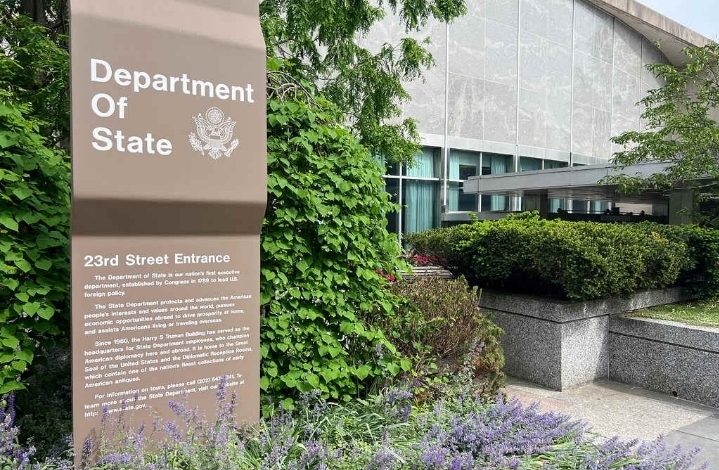
The United States is escalating its technological competition with China by preparing to tell dozens of countries that they may have to choose between competing AI ecosystems. According to Reuters, a draft State Department letter warns countries participating in the U.S.-backed Pax Silica initiative that joining a rival Chinese framework could lead to their exclusion from the American-led coalition.
Pax Silica was created to strengthen supply chains connected to AI models, semiconductors and critical minerals. The initiative already includes roughly two dozen countries, including major U.S. partners such as Japan, Australia and South Korea. Washington views cooperation in these areas as strategically important because control over advanced chips and essential minerals is increasingly linked to technological and economic power.
The warning comes as China develops its own international AI framework, the World Artificial Intelligence Cooperation Organization. The competing initiative has increased concerns in Washington that countries could participate in both ecosystems while gaining access to sensitive technologies, supply chains and resources from each side. U.S. officials argue that countries cannot reliably support both systems because the two initiatives represent competing strategic interests.
One country receiving particular attention is Kazakhstan, which is currently reported to be the only country involved in both coalitions. Kazakhstan is also strategically important because of its supplies of critical minerals, making its position especially significant as the United States and China compete for secure access to resources needed for advanced technology.
The development shows that the global AI race is becoming about much more than competing chatbots and AI models. Semiconductors, minerals, energy, infrastructure and international alliances are all becoming strategic parts of the competition. If Washington follows through with its warning, countries around the world could face increasing pressure to align more closely with either the U.S.-led or China-led technology ecosystem, potentially reshaping global technology supply chains for years to come.