Anthropic’s Claude Opus 4.6 Sets New Benchmarks for AI Coding and Cybersecurity
Anthropic’s flagship Claude Opus 4.6 has demonstrated powerful long-context reasoning and software-engineering abilities, while researchers say the model can also uncover previously unknown security vulnerabilities.

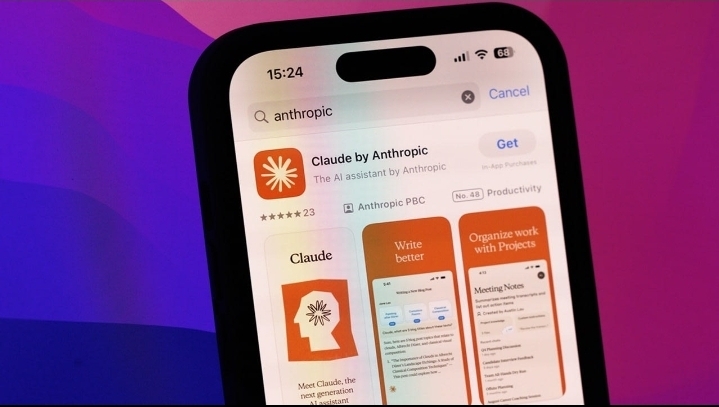
Anthropic’s Claude Opus 4.6 is emerging as one of the most capable AI systems for complex software engineering and reasoning tasks. The model supports a 1-million-token context window, allowing it to work with extremely large codebases, documents and research materials in a single session. Anthropic made the full 1M context window generally available at standard pricing in March 2026.
One of the model’s most notable capabilities is cybersecurity research. Anthropic reported that Claude Opus 4.6 identified and validated more than 500 high-severity vulnerabilities across production open-source software. Some of these vulnerabilities had reportedly remained undiscovered despite years of human review and traditional automated testing.
The model has also demonstrated its ability to analyze major software projects at remarkable speed. During testing involving Firefox, Claude reportedly found its first vulnerability after approximately 20 minutes of examining the browser’s code. Mozilla ultimately patched 22 vulnerabilities discovered by the AI, with the reports containing test cases that helped human security researchers verify the findings.
These capabilities demonstrate how AI is moving beyond simple code completion toward autonomous software engineering and security analysis. Claude can reason across large quantities of code, identify relationships between different components and propose fixes. However, the technology also creates new security concerns because the same capabilities that help defenders discover vulnerabilities could potentially make sophisticated cyberattacks easier. Anthropic has therefore emphasized human oversight and safety controls around these capabilities.
The development represents another major step in the AI race. Claude Opus 4.6 shows that frontier models are increasingly capable of handling tasks that previously required teams of specialized programmers and security researchers. As these systems continue improving, the competition between AI companies may increasingly focus not only on chat quality, but on how effectively AI can reason, operate software, discover problems and complete complex real-world tasks.