Intel CEO Highlights Quantum Software as Company Expands Its Computing Ambitions
Intel CEO Lip-Bu Tan is positioning quantum software as a major part of the company's future, following its planned acquisition of Israeli startup Classiq to strengthen its position in the emerging quantum-computing industry.

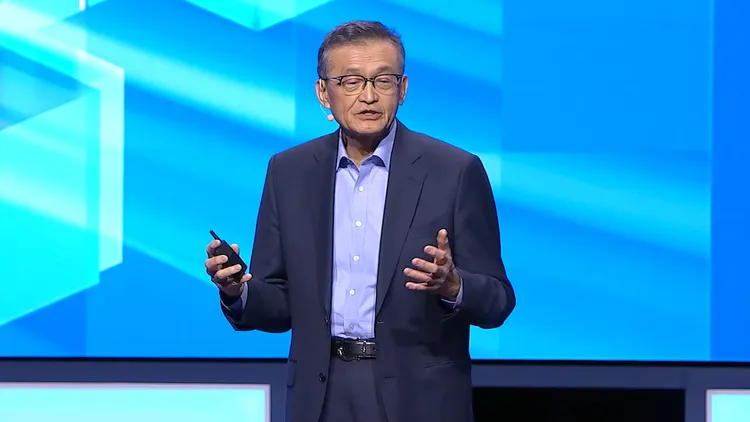
Intel CEO Lip-Bu Tan has highlighted the importance of quantum-computing software as the company moves to expand beyond traditional processors and establish a stronger position in next-generation computing. Speaking during Intel’s third-quarter 2026 earnings call on October 29, Tan discussed the company’s planned acquisition of Israeli quantum-software developer Classiq. He described the agreement as an important step towards moving Intel’s quantum-computing programme from foundational research into commercial development. According to Tan, combining Classiq’s software platform with Intel’s existing hardware and engineering capabilities could help create a complete quantum-computing business. The strategy reflects Intel’s ambition to participate in a technology that could eventually complement conventional CPUs, GPUs and application-specific integrated circuits.
Classiq specialises in software that allows developers to design quantum applications without needing extensive knowledge of the underlying quantum hardware. Its platform uses high-level modelling and automated synthesis to translate application requirements into quantum circuits that can run on different types of quantum processors. This approach is important because the industry currently has several competing hardware technologies, including silicon spin qubits, superconducting circuits, trapped ions and photonic systems. By acquiring Classiq, Intel hopes to gain access to a software layer that can connect developers and businesses with quantum hardware. The company has also indicated that it intends to maintain the platform’s existing support for different hardware technologies rather than restricting it exclusively to Intel processors.
Tan described the acquisition as a way to expand Intel’s computing portfolio to include quantum processing units, commonly known as QPUs. These specialised processors use quantum-mechanical properties to perform certain calculations differently from conventional computers. Potential applications include complex chemistry simulations, materials research, optimisation and scientific modelling. Intel has spent more than a decade developing its own quantum technology, particularly silicon spin qubits, which use techniques related to conventional semiconductor manufacturing. In September, Tan disclosed that approximately 70 people were working on the company’s quantum-computing efforts. He has described the technology as a long-term strategic investment, although he has also acknowledged that the industry remains at an early stage and that its ultimate commercial potential is still being tested.
The proposed acquisition is expected to help Intel address a major weakness in its quantum strategy: the gap between developing experimental hardware and delivering useful applications to customers. Classiq already works with businesses, researchers and institutions exploring potential quantum applications. Its software could give Intel access to developers and organisations preparing for more capable quantum computers. Reports have placed the value of the transaction at approximately $2.3 billion, although Intel’s official announcement did not disclose the purchase price. The agreement remains subject to regulatory approvals and other customary closing conditions, with completion expected in the first half of 2027. Until the transaction closes, both companies will continue operating independently.
Intel’s renewed focus on quantum computing comes as major technology companies increase their investments in the field. Google, Microsoft, IBM and several specialised startups are developing different approaches to building more reliable and scalable quantum systems. Despite significant progress, current machines still face major obstacles, including high error rates, difficult operating conditions and the challenge of increasing the number of useful qubits. Intel’s strategy is to combine its semiconductor manufacturing experience with Classiq’s software capabilities to build a broader platform for future customers. Whether this approach succeeds will depend on the company’s ability to produce reliable quantum hardware and identify applications that deliver measurable commercial value. For now, the acquisition signals that Intel sees quantum computing as more than a research experiment and wants to become an active commercial player in its development.