Meta and TikTok Agree to EU Fact-Checking Plan After Ceuta Border Crisis
The two social-media platforms have agreed to strengthen fact-checking of content about Spain’s border crossings after false online claims were linked to a deadly rush toward Ceuta.

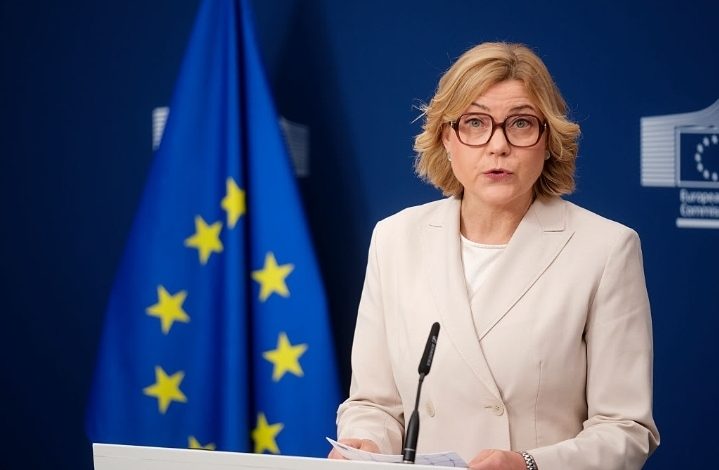
Meta and TikTok have agreed to take additional fact-checking measures on content related to attempts to cross into Spain, following a major incident involving migrants trying to reach the Spanish enclave of Ceuta. The agreement was announced by European Union technology chief Henna Virkkunen as Brussels seeks to limit the spread of misleading information that could encourage people to make dangerous journeys.
The decision follows a surge of online misinformation surrounding the border crossings. According to European officials, criminal networks have been using social-media platforms to circulate false or misleading claims that can encourage vulnerable people to attempt dangerous crossings. The EU believes stronger fact-checking can help identify and challenge deceptive narratives before they spread widely.
For Meta and TikTok, the agreement represents another step toward closer cooperation with European regulators. Both platforms operate under the EU’s increasingly demanding digital rules, which place greater responsibility on very large online platforms to address systemic risks, including harmful misinformation. The latest commitment is voluntary and specifically focuses on information connected to the Spanish border crossings.
The issue also highlights the growing influence of social media during real-world crises. Information shared through Facebook, Instagram and TikTok can reach millions of people rapidly, making platforms important channels for communication but also potential vehicles for misleading campaigns. In situations involving migration, public safety or emergencies, inaccurate information can have consequences beyond the digital world.
The agreement between the EU, Meta and TikTok could become a broader example of how governments and technology companies respond to misinformation linked to real-world events. While fact-checking alone cannot eliminate false information online, stronger cooperation could make it more difficult for deliberately misleading narratives to spread unchecked. The latest move shows that European regulators are increasingly focused not only on what platforms publish, but also on how online information can influence events in the physical world.