Nigerian Survivors Recount Ordeal of Sex Trafficking in Côte d’Ivoire After Fake Job Promises
Rescued victims say traffickers lured them with employment offers before forcing them into prostitution

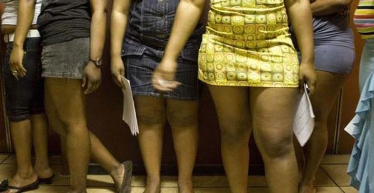
Several Nigerians rescued from human trafficking networks in Côte d’Ivoire have narrated how false promises of well-paying jobs turned into months of captivity, abuse and forced prostitution.
The survivors, identified as Monica, 17; Juliet, 18; Rejoice, 25; Joy, 22; and Monica Tamah, 38, said they were persuaded to leave Nigeria with assurances of legitimate employment, only to discover they had been trafficked for sexual exploitation.
The victims were rescued during a joint operation involving the National Agency for the Prohibition of Trafficking in Persons, authorities in Côte d’Ivoire and the Global Anti-Human Trafficking Organisation.
According to a statement obtained by PUNCH Metro on Thursday, GAHTO founder, Prosper Michael, said the operation brought an end to months of exploitation and abuse suffered by the victims.
Teen Thought She Was Going to Work in a Bakery
One of the survivors, 17-year-old Monica from Benue State, said she accepted what she believed was a bakery job in Abuja before she was transported through Lagos to Côte d’Ivoire.
She said she informed her parents before travelling because she believed the opportunity was genuine.
“I informed my parents because I believed the offer was genuine. We later realised there were no jobs after we were locked in a room,” she said.
Monica explained that the victims were constantly monitored and instructed to reassure their families that they were safe whenever they were allowed to make phone calls.
“When I spoke to my mother, I started crying, and they immediately collected the phone from me. They kept deducting money from the little we earned without explaining why,” she recalled.
She said she eventually escaped alongside another victim with the help of sympathetic residents, who assisted them in contacting GAHTO.
‘We Were Told to Repay Our Transport Debt Through Sex Work’
Another survivor, Monica Tamah, said she travelled to Côte d’Ivoire hoping to earn enough money to support her family and pay her daughter’s school fees.
Instead, she discovered she had been trafficked into prostitution.
“When we got there, we discovered there were no jobs. Instead, we were told we had been brought for prostitution and had to repay transportation debts through sex work,” she said.
Tamah said she remained in captivity for about six months and alleged that she and other victims were forced to sleep with as many as 15 men each day.
“They made about 50,000 CFA francs every day from us, but we received little or nothing. I remained there for about six months before I was rescued,” she added.
More Victims Rescued in Separate Operation
GAHTO disclosed that its representative in Côte d’Ivoire, working alongside local authorities, also rescued three additional trafficking victims from Benue State during a separate operation.
The organisation described the rescues as a significant breakthrough in ongoing efforts to combat human trafficking across West Africa.
Victims Urged to Verify Overseas Job Offers
Following the rescue, GAHTO advised Nigerians seeking employment abroad to verify all overseas job and migration opportunities through the appropriate government agencies before travelling.
The organisation also called for stronger collaboration among governments, security agencies and international partners to dismantle trafficking syndicates, rescue victims and prosecute those responsible.
Economic Hardship Driving Human Trafficking
Anti-human trafficking advocates said worsening economic conditions, unemployment and irregular migration continue to expose many young Nigerians to traffickers, who often disguise their operations as legitimate recruitment or travel opportunities.
They urged prospective migrants to conduct proper background checks and report suspicious recruiters to law enforcement agencies before accepting offers to work overseas.
Human trafficking remains one of the most persistent crimes affecting vulnerable Nigerians in search of better opportunities abroad, with criminal networks increasingly using fake job offers to lure victims into forced prostitution, sexual exploitation and other forms of modern slavery.