Nvidia’s Physical AI Unit Reaches $10 Billion Milestone
Nvidia’s fast-growing physical AI business is becoming a major part of the company’s strategy, as its technology moves beyond chatbots and data centers into robots, autonomous vehicles and intelligent machines.

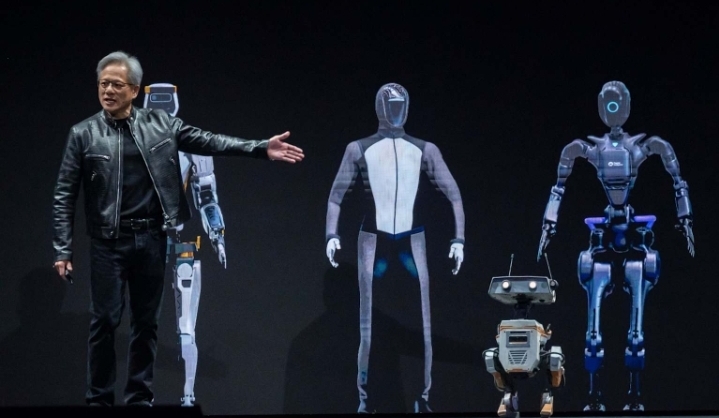
Nvidia’s physical AI division has reportedly reached approximately $10 billion in annual revenue, showing that the company’s ambitions now extend far beyond traditional AI models and data-center chips. Physical AI refers to artificial intelligence systems that can understand and interact with the real world through technologies such as robots, autonomous vehicles, industrial machines and drones.
The company is building an ecosystem that combines powerful processors with software platforms designed specifically for machines operating in physical environments. Nvidia’s technologies include robotics-focused AI models such as GR00T, simulation platforms and its Cosmos world foundation models, which can help developers train and test intelligent machines. The goal is to create a similar ecosystem advantage to the one Nvidia previously built with CUDA for AI computing.
Autonomous vehicles are expected to be one of the largest opportunities for Nvidia’s physical AI strategy. The company already works with major companies developing self-driving technology and intelligent vehicles, while also expanding relationships with robotics manufacturers. China is particularly important because of its large industrial robotics sector and rapidly growing humanoid robot industry.
Nvidia believes physical AI could eventually become a much larger business. Reports indicate the company expects this division to grow significantly over the next decade as AI moves from software applications into factories, warehouses, vehicles and robots. This shift could create an entirely new market for AI computing, requiring specialized chips capable of processing information from cameras, sensors and other real-world systems.
The milestone comes as Nvidia continues experiencing enormous demand across its broader AI business. The company recently forecast around 70% revenue growth for its next fiscal year, driven by continued investment in AI infrastructure. While data centers remain Nvidia’s biggest business, the rapid growth of physical AI suggests the company is positioning itself to become a major technology supplier for the next generation of intelligent machines.