Rescued Nigerian Kidnap Victims Battle Malnutrition, Trauma After Six Months in Captivity
Survivors of Woro attack receive treatment in Ilorin after enduring hunger, beatings and harsh conditions in the forest

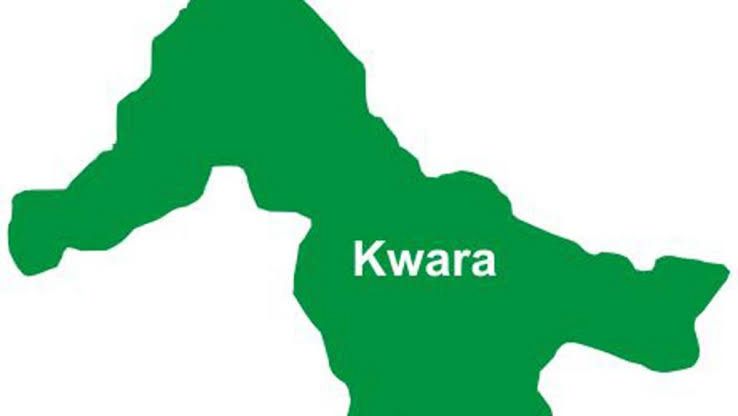
Frail women and children rescued after six months in captivity are receiving treatment at the Kwara State University Teaching Hospital in Ilorin, where doctors are treating severe malnutrition, skin diseases and other injuries. The victims were among 163 people rescued earlier this month from the Kainji Lake National Park forest after suspected jihadists attacked Woro, near the Benin border.
The government described the operation as the largest single-day rescue in the country, with 308 people freed. Survivors said they endured hunger, beatings and the deaths of fellow captives, while some women were forced to give birth in the forest without medical care. Dr. Ahmed Bola Abdulkadir, chief medical director of the hospital, said some babies were born only days before their mothers were rescued.
Abdulkadir said most of the victims suffered severe malnutrition, while some had skin diseases and fractures. Most were initially admitted to the intensive care unit, with some still requiring blood transfusions. He added that psychiatrists were also attending to the psychological trauma suffered during their captivity.
One survivor, Hajara, described the experience as something she would not wish on anyone. The victims had been held at a camp with more than 100 others abducted from communities including Kasuwan Daji and Konkoso in Niger State. The Woro attack in February left at least 165 people dead and scores abducted, highlighting the continuing threat posed by jihadist and bandit groups across northern and central Nigeria.