OpenAI Buys Tens of Thousands of AI Servers as Compute Race Intensifies
OpenAI is rapidly expanding its computing infrastructure, securing massive amounts of AI hardware and data-center capacity as competition to build more powerful artificial intelligence models accelerates.

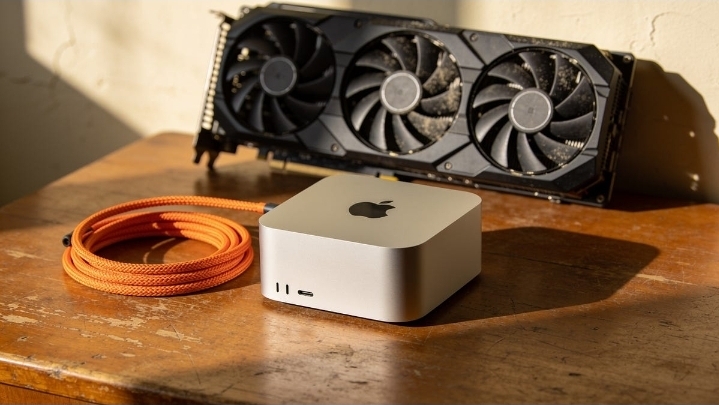
OpenAI to buy tens of thousands of advanced AI servers and large-scale computing systems as it prepares for the next generation of artificial intelligence models. The company’s growing demand for computing power reflects the enormous infrastructure requirements needed to train and operate increasingly sophisticated AI systems. The expansion is part of a broader industry race in which leading AI companies are spending billions of dollars on chips, servers, networking and data centers.
The scale of OpenAI’s infrastructure ambitions is enormous. The company previously announced a strategic partnership with Nvidia to deploy at least 10 gigawatts of AI computing systems, representing infrastructure equivalent to millions of GPUs over time. The first phase is expected to use Nvidia’s Vera Rubin platform, showing how OpenAI is preparing for AI workloads far larger than those required by current-generation models.
OpenAI is also diversifying its hardware suppliers rather than relying on a single chip company. Its agreement with AMD covers the deployment of up to 6 gigawatts of AMD Instinct GPUs, beginning with an initial deployment in 2026. Meanwhile, a separate partnership with AWS provides OpenAI access to hundreds of thousands of advanced Nvidia GPUs as the company expands its cloud computing capacity.
The massive infrastructure push highlights a fundamental shift in the AI industry. Building powerful models is no longer primarily a software challenge; it increasingly depends on access to electricity, data centers, cooling systems, networking equipment and enormous quantities of specialized chips. Companies that can secure these resources may gain a significant advantage in developing future AI systems.
OpenAI’s growing hardware purchases also demonstrate how expensive the race for advanced AI has become. The company is expanding its infrastructure through partnerships with Nvidia, AMD, AWS and other data-center providers, while competitors are making similarly large investments. As demand for AI services continues to grow, access to computing power could become one of the most important factors determining which companies lead the next era of artificial intelligence.