Thailand Halts 49 Data Centre Projects as AI Boom Strains Resources
Thailand pauses construction on 49 data centres and freezes approvals for 117 more as officials prepare new rules for power, water, safety and environmental impacts

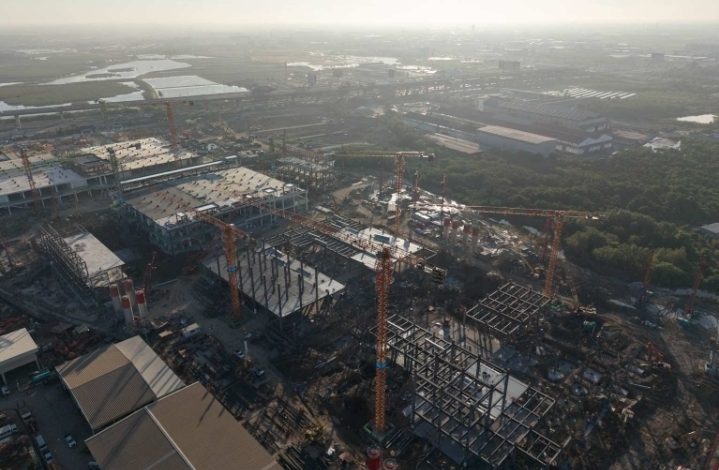
Thailand has temporarily halted construction on 49 data centre projects as the government moves to establish stronger nationwide regulations for the rapidly expanding industry. Officials have also frozen approval processes for another 117 proposed facilities, bringing the number of projects affected by the policy shift to 166. The decision follows growing concerns about electricity and water consumption, land use and the impact of large facilities on surrounding communities.
The pause does not represent a rejection of data centre investment, according to Thai officials. Instead, the government wants to replace the current system of separate approvals from different agencies with coordinated national standards. A committee led by Finance Minister Ekniti Nitithanprapas has given several subcommittees about one month to develop rules covering infrastructure, locations, environmental safeguards, safety and the economic benefits of data centre projects.
Thailand’s decision comes as investment in AI and digital infrastructure accelerates. The country’s Board of Investment approved 88 AI and data centre-related projects worth about 886 billion baht, or roughly $27 billion, during the first half of 2026. That figure already exceeded the 623 billion baht in technology investment recorded throughout 2025, demonstrating how quickly demand for computing infrastructure has grown.
Power and water requirements are at the centre of the government’s concerns. Large data centres operate continuously and require substantial electricity and cooling resources, while projects located near densely populated areas can create additional concerns involving heat, noise, safety and infrastructure pressure. Bangkok has separately placed three proposed data centre projects under review after concerns exposed gaps in existing planning rules.
The move reflects a broader global debate over the infrastructure demands created by the AI boom. Governments are increasingly trying to balance the economic benefits of attracting cloud and AI investment with the need to protect energy systems, water resources and local communities. Thailand’s forthcoming regulations could therefore become an important test of whether the country can continue attracting major technology investment while ensuring that the rapidly growing data centre sector develops on a more sustainable and coordinated basis.