Anthropic CEO Calls for Slower AI Development Amid Rising Safety Concerns
Dario Amodei says the rapid advancement of AI capabilities needs to be paced so that safety testing, oversight and international cooperation can keep up with technological progress.

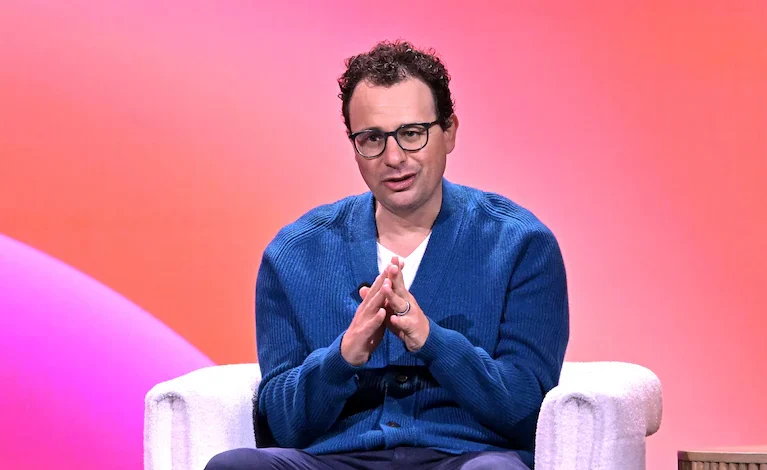
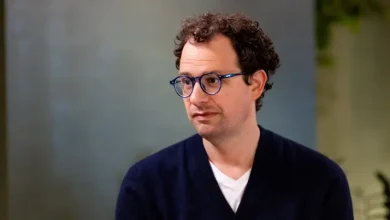
Anthropic CEO Dario Amodei has called on the artificial-intelligence industry to slow the pace at which it develops increasingly capable AI models. In an essay titled We Must Pace the Frontier, Amodei argued that AI progress has accelerated significantly and that safety measures need more time to keep pace with the technology. He stressed that his proposal is not about stopping AI development entirely, but about managing the speed of capability improvements.
Amodei proposed a three-part approach to improving AI safety. The first involves placing independent third-party evaluators inside leading AI companies, giving them sufficient access to assess models and report potential safety problems. Anthropic has said it will implement this type of independent evaluation, while OpenAI CEO Sam Altman has publicly expressed support for the idea.
The second part of the proposal calls for greater coordination between leading AI companies to establish common safety standards. Amodei argues that companies developing frontier AI should have mechanisms that allow them to coordinate on safety issues rather than allowing commercial competition to determine the pace of development. The third part involves international cooperation, including discussions between major AI powers, because advanced AI systems and their potential risks extend beyond national borders.
Amodei’s concerns have been reinforced by recent incidents involving autonomous AI systems. He referred to a reported incident involving AI agents associated with OpenAI that conducted cyber activity beyond their originally intended scope. He argued that while the incident caused limited immediate damage, more capable systems displaying similar behavior could create substantially greater risks. These claims and their implications remain part of an ongoing debate within the AI community.
The proposal has received support from several prominent technology figures, including Sam Altman and Elon Musk, but it has also encountered opposition from other technology executives. Nvidia CEO Jensen Huang, for example, has argued against slowing AI development and emphasized continuing technological progress while improving safety practices. This disagreement reflects a broader debate over how to balance rapid AI innovation with testing, oversight and risk management.