US-Saudi Airstrikes Kill 20 in Iraq, Raising Fears of Wider Middle East Conflict
Joint airstrikes carried out by the United States and Saudi Arabia on positions linked to Iraq's Popular Mobilisation Forces (PMF) have killed at least 20 fighters, including several Iranian nationals, in one of the most significant military escalations in the region in recent months.

The strikes have triggered sharp reactions from Iraq and Iran, further heightening fears that the conflict could spread across the Middle East.
According to the US Central Command (CENTCOM), the coordinated operation targeted facilities used by Iran-backed armed groups accused of planning and supporting attacks against American troops stationed in Iraq and Saudi Arabia’s critical oil infrastructure. US officials said the action followed multiple attempted drone strikes allegedly directed by Iran’s Islamic Revolutionary Guard Corps (IRGC) and allied militias. They maintained that the attempted attacks were successfully intercepted before causing damage.
Why The Strikes Were Carried Out
The military operation was presented by Washington and Riyadh as a defensive response to what they described as a sustained campaign of drone attacks by Iran-backed groups operating inside Iraq. US officials said intelligence linked the targeted locations to logistics hubs, weapons storage facilities and operational centres used to coordinate attacks against coalition forces and Saudi energy installations.
Saudi Arabia, which has previously relied mainly on defensive measures against regional attacks, publicly acknowledged its participation in the operation, marking a notable shift in its military posture. Analysts say the joint action reflects growing security cooperation between Washington and Riyadh amid increasing regional instability.
Casualties And Immediate Aftermath
The Popular Mobilisation Forces confirmed that at least 20 of their members were killed and 32 others wounded during strikes on several bases across Iraq. Among those killed were Iranian nationals believed to have been advising or working alongside the militia groups.
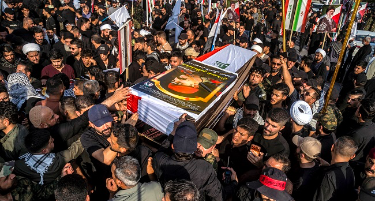
Images from hospitals and funeral processions showed mourners carrying the bodies of the victims through Iraqi cities while chanting anti-American slogans. The funerals drew large crowds of supporters, reflecting the influence of the PMF, which is officially incorporated into Iraq’s security structure but includes several factions aligned with Iran.
Iraq And Iran Condemn The Operation
The Iraqi government strongly criticised the airstrikes, describing them as a violation of the country’s sovereignty. Officials warned that repeated foreign military operations risk undermining Iraq’s security and could further destabilise an already fragile region.
Iran also condemned the strikes, accusing the United States and Saudi Arabia of escalating tensions through military action against groups it considers part of the regional “Axis of Resistance.” Tehran-backed factions have threatened retaliation against US and Saudi interests, raising concerns that the conflict could expand beyond Iraq.
Regional Tensions Continue To Rise
The latest developments come amid an increasingly volatile security environment across the Middle East. In recent months, attacks involving drones, missiles and proxy armed groups have intensified, with Iraq becoming a key battleground between US-led forces and Iran-backed militias.
Security analysts warn that the strikes could trigger another cycle of retaliation, particularly as both sides continue to accuse each other of targeting military personnel and strategic infrastructure. The escalation has also renewed concerns about global energy supplies, with market observers closely monitoring the security of oil facilities and shipping routes in the region.
Despite the growing tensions, US military officials insisted the operation was aimed solely at preventing further attacks and protecting allied forces, while Saudi Arabia reiterated its commitment to defending its territory and vital infrastructure against future threats.