ACF Spokesman Questions Calls for US Security Role in Nigeria Amid Rising Insecurity
Debate Over Foreign Military Involvement Intensifies

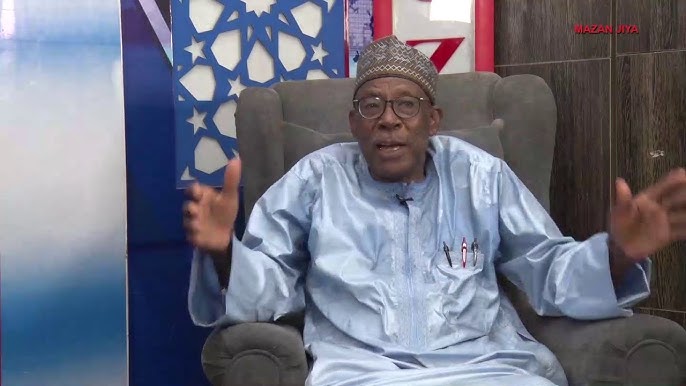
The National Publicity Secretary of the Arewa Consultative Forum (ACF), Prof. Tukur Mohammed-Baba, has questioned proposals advocating greater United States involvement in tackling Nigeria’s worsening security crisis, arguing that such intervention should be approached with caution despite the country’s growing insecurity.
Speaking against the backdrop of renewed discussions on international support for Nigeria’s counterterrorism efforts, Mohammed-Baba said while insecurity remains a serious national concern, handing a greater security role to a foreign power raises important questions about national sovereignty, long-term consequences and Nigeria’s capacity to address its own challenges.
His comments come months after Nigeria and the United States strengthened cooperation on intelligence sharing, counterterrorism operations and regional security following high-level meetings between National Security Adviser Nuhu Ribadu and senior US officials in Washington. The partnership has focused on addressing terrorist threats spilling over from the Sahel region into Nigeria.
Mohammed-Baba acknowledged that many Nigerians are frustrated by persistent attacks across parts of the country but maintained that foreign military intervention should not be viewed as a straightforward solution.
According to him, every proposal involving external military participation deserves careful scrutiny, particularly in light of experiences from other countries where foreign interventions have produced mixed outcomes.
The ACF spokesman stressed that Nigeria must continue strengthening its own institutions and security architecture rather than becoming overly dependent on outside forces. He argued that while international cooperation remains important, primary responsibility for securing the country rests with Nigerian authorities.
His position adds another perspective to the ongoing national conversation over how best to confront terrorism, banditry and kidnapping, especially following recent security cooperation between Abuja and Washington. Earlier this year, the United States provided support for counterterrorism efforts before later announcing the withdrawal of most of its deployed personnel while maintaining intelligence sharing and other security collaboration with Nigeria.
The debate has intensified as insecurity continues to affect several parts of the country, particularly communities in the North and Middle Belt, where attacks by armed groups have displaced thousands of residents and claimed numerous lives.
Security analysts remain divided over the role international partners should play. While some argue that expanded foreign assistance could improve intelligence gathering, logistics and counterterrorism capabilities, others warn that Nigeria must avoid relying excessively on external military support and instead focus on building sustainable domestic capacity.
Mohammed-Baba maintained that resolving the country’s security crisis ultimately requires comprehensive reforms beyond military operations. He noted that governance, economic development, justice and effective policing are critical components of any lasting solution.
His remarks also come amid broader national discussions over insecurity, with several public figures calling for improved funding, better coordination among security agencies and stronger political commitment to addressing the root causes of violence across the country.
As security challenges continue to dominate public discourse, the ACF spokesman’s comments are expected to fuel further debate over the balance between international cooperation and preserving Nigeria’s independence in handling its internal security affairs.