Huawei Warns Rising Memory Costs Could Slow AI and Smartphone Growth
Chinese technology giant says soaring DRAM and HBM prices are increasing production costs as global demand for AI infrastructure strains memory chip supplies.

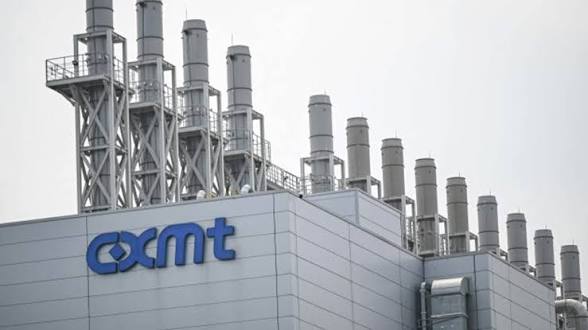
Huawei has warned that rapidly rising memory chip prices are becoming one of the biggest challenges facing the technology industry, with shortages of DRAM and High Bandwidth Memory (HBM) driving up manufacturing costs for AI servers, smartphones, and other electronic devices. Company executives said the surge in AI infrastructure investment has significantly tightened global memory supplies, forcing manufacturers to compete for limited production capacity. As a result, Huawei expects memory costs to remain elevated through the coming years, adding pressure to both hardware makers and consumers.
According to Huawei, demand for advanced memory has accelerated far beyond industry expectations as hyperscale cloud providers and AI companies continue expanding data centers at record speed. Memory manufacturers, including Samsung, SK hynix, and Micron, have increasingly prioritized production of HBM for AI accelerators, leaving less capacity for conventional DRAM used in smartphones, laptops, and networking equipment. This shift has created supply shortages across multiple sectors and pushed memory prices sharply higher.
Huawei said the higher costs are affecting product development across its consumer electronics and enterprise businesses. AI servers require enormous amounts of high-speed memory to support advanced language models and cloud computing workloads, while smartphones continue to demand larger memory capacities to power increasingly sophisticated AI features. The company warned that unless additional manufacturing capacity comes online, rising component costs could slow product rollouts and place upward pressure on device prices across the industry.
The warning echoes concerns raised by analysts and other technology companies that memory has become one of the most critical resources in the AI era. Governments and semiconductor manufacturers are investing billions of dollars to expand fabrication capacity, but new memory plants typically require several years to build and reach full production. Until then, analysts expect supply to remain tight as AI infrastructure spending continues to outpace manufacturing growth.
Huawei’s comments highlight how the AI boom is reshaping the global semiconductor market. While advanced AI chips often receive the most attention, memory has become an equally important component in determining the performance and availability of next-generation computing systems. As AI adoption accelerates worldwide, securing reliable supplies of DRAM and HBM will remain a top priority for technology companies, making memory one of the defining battlegrounds in the future of artificial intelligence and consumer electronics.