Tesla Pressed Dutch Regulator to Keep Self-Driving Safety Data Secret
Emails reveal Tesla sought assurances that Full Self-Driving documents would remain confidential as European regulators weighed wider approval.

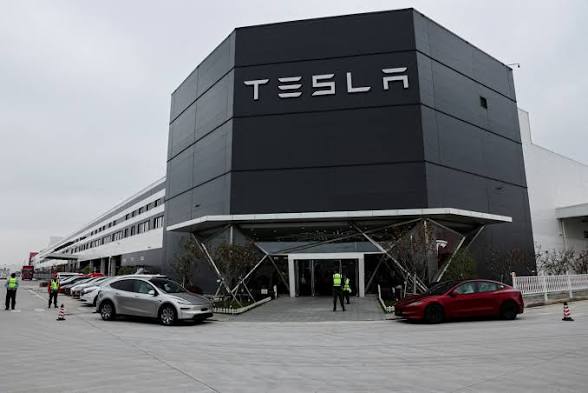
Tesla reportedly pressured the Dutch vehicle authority, RDW, to ensure that safety documents related to its Full Self-Driving (FSD) system would never be made public while the company pursued regulatory approval in Europe. According to emails obtained by Reuters through public records requests, Tesla asked the regulator for written assurances that key technical documents would remain confidential before submitting additional information. The company viewed the approval process as strategically important as it seeks to expand FSD across the European Union and revive slowing vehicle sales in the region.
The Netherlands became the first European country to approve Tesla’s supervised FSD system earlier this year, with RDW later recommending that the technology receive wider EU authorization. However, the regulator has refused to release the safety data and technical assessments used during its evaluation, arguing that the documents contain commercially sensitive information and trade secrets belonging to Tesla. Similar confidentiality protections have also been applied by regulators in several other European countries involved in reviewing the technology.
The lack of transparency has sparked criticism from road safety experts, consumer advocates, and some policymakers, who argue that independent researchers should be allowed to examine the evidence supporting the approval of advanced driver-assistance systems. Critics say public access to testing methods and safety analyses is essential for maintaining trust, particularly for technologies that can control steering, braking, and acceleration. They warn that withholding the information makes it difficult to independently verify claims about the system’s safety.
The controversy comes as European regulators prepare to consider broader approval of Tesla’s FSD technology. Several countries have reportedly expressed concerns about issues such as driver attention, system reliability, and operation on complex urban roads. A key EU vote expected later this year could determine whether Tesla’s supervised self-driving software is allowed to expand across member states, making the Dutch approval a crucial step in the company’s European strategy.
The dispute highlights the growing tension between protecting corporate intellectual property and ensuring public accountability for emerging autonomous driving technologies. As self-driving systems become increasingly capable, regulators around the world face mounting pressure to balance commercial confidentiality with the need for transparency and independent oversight. The outcome of Tesla’s European approval process could influence how future autonomous vehicle technologies are evaluated and regulated across the global automotive industry.