Unitree Prices $904 Million Shanghai IPO at $9 Billion Valuation
Chinese robotics company becomes the country's first mainland-listed humanoid robot maker as investors bet on the future of AI-powered robotics.

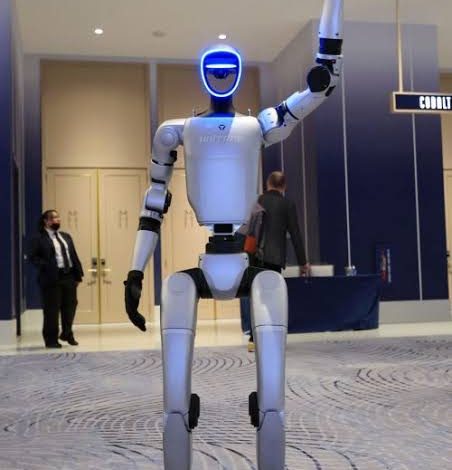
Chinese robotics company Unitree has priced its highly anticipated Shanghai initial public offering (IPO) at 150.8 yuan (US$22.34) per share, valuing the company at approximately 61 billion yuan (US$9.04 billion). The listing will make Unitree the first mainland-listed humanoid robot manufacturer in China, marking a major milestone for the country’s rapidly growing robotics industry. The company plans to raise 6.1 billion yuan (around US$904 million) by issuing 40.45 million new shares on Shanghai’s STAR Market, with the proceeds earmarked for research and development, new product launches, and expanded manufacturing capacity.
Founded in Hangzhou, Unitree has become one of China’s most recognizable robotics companies thanks to its affordable humanoid and quadruped robots capable of walking, running, dancing, and performing complex acrobatic movements. The company experienced explosive growth in 2025, with annual revenue soaring more than fourfold to 1.7 billion yuan, while sales of its humanoid robots surpassed those of its robotic dogs for the first time. However, growth moderated during the first quarter of 2026 as increased spending on research, development, and marketing reduced profitability despite continued revenue gains.
The IPO also highlights the growing convergence of artificial intelligence and robotics. Chinese AI startup DeepSeek participated as a strategic investor, purchasing a 2.31% stake in the offering. The two companies plan to collaborate on developing AI-powered humanoid robots by combining DeepSeek’s advanced AI models with Unitree’s expertise in robotics, motion control, and embodied intelligence. The partnership aims to accelerate the development of robots capable of understanding real-world environments and performing increasingly autonomous physical tasks.
Despite its strong momentum, Unitree faces geopolitical challenges. The United States has introduced new restrictions affecting future generations of Chinese-made humanoid and quadruped robots over national security concerns. While Unitree says its current products remain approved for sale in the U.S., future models could face additional barriers, creating uncertainty for one of its important overseas markets. Last year, the U.S. accounted for 13.3% of the company’s revenue, making international expansion a key factor in its long-term growth strategy.
Unitree’s landmark IPO reflects growing investor confidence that humanoid robots could become one of the next major frontiers in artificial intelligence. As governments and technology companies race to develop robots capable of working in factories, warehouses, healthcare, and homes, the company is positioning itself as one of China’s leading players in embodied AI. Its successful listing could establish a benchmark for future robotics companies seeking public investment and further accelerate innovation in one of the world’s fastest-growing technology sectors.