
China Warns G20 Row Could Threaten Global Economic Cooperation
Beijing Pushes Back Against U.S. Criticism as Disagreement Over Trade Imbalances and Export Policies Disrupts G20 Finance Meeting

China has warned that a growing dispute with the United States over trade and economic policy could damage broader cooperation among the world’s major economies. The warning follows a tense G20 finance ministers’ meeting in the United States, where China objected to language addressing trade imbalances and economic policies. The disagreement prevented the group from reaching a fully agreed joint communiqué, leaving the United States to issue a chair’s statement instead.
The dispute centers on concerns about China’s large trade surplus and its export-driven economic model. U.S. Treasury Secretary Scott Bessent argued that China’s growing exports of relatively inexpensive goods are contributing to economic imbalances and creating pressure on industries in other countries. According to U.S. officials, the other 19 G20 finance ministers supported language calling for action on the issue, while China was the only member to reject it.
Beijing has rejected the characterization of its economic policies as the main source of global instability. Chinese officials and state media have instead criticized U.S. tariffs and other trade measures, arguing that Washington’s policies are contributing to uncertainty in the international economy. China also objected to being singled out during discussions that it believes should address global economic challenges more broadly.
The disagreement comes at a sensitive moment for the global economy, with governments already dealing with elevated debt, inflation pressures and higher borrowing costs. IMF Managing Director Kristalina Georgieva has warned that rising bond yields in advanced economies could undermine progress made by developing countries in managing their debt. Continued trade tensions between the world’s largest economies could add another layer of uncertainty for businesses, investors and emerging markets.
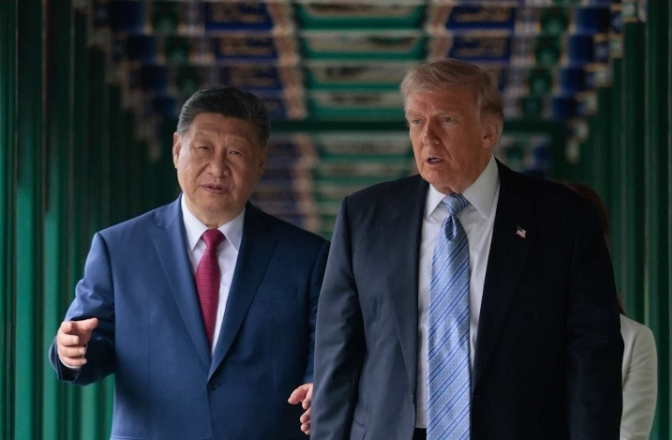
Despite the latest confrontation, Washington and Beijing still have opportunities to prevent the dispute from escalating further. Chinese President Xi Jinping is expected to meet U.S. President Donald Trump later in September, while the two countries are also preparing discussions on AI safety and other areas of mutual concern. The G20 dispute demonstrates how difficult international economic coordination has become, but maintaining dialogue could be crucial to preventing trade disagreements from developing into a wider disruption to global economic cooperation.




