
TSMC’s 2nm Capacity Could Hit 120,000 Wafers Monthly
Strong demand from AI and high-performance computing customers is pushing TSMC to expand its advanced 2nm production capacity faster than earlier forecasts

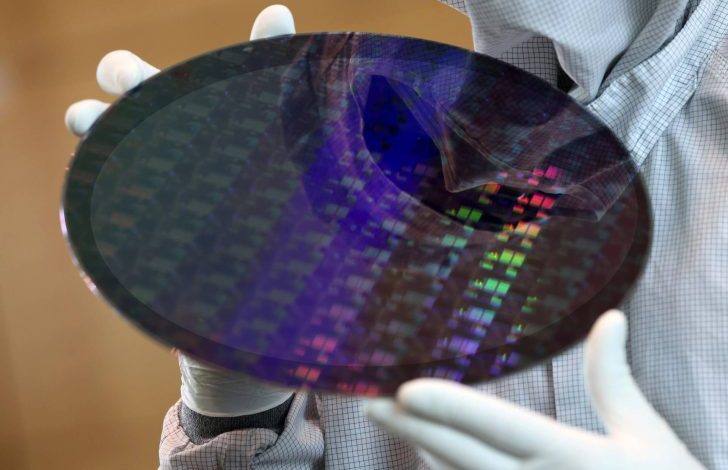
Taiwan Semiconductor Manufacturing Company (TSMC) is accelerating the expansion of its next-generation 2-nanometre chip production as demand from artificial intelligence and high-performance computing customers continues to grow. Industry reports indicate that the company’s monthly 2nm production capacity could reach about 120,000 wafers by the end of 2026, above earlier estimates of between 90,000 and 100,000 wafers.
The increased demand is reportedly coming from several major technology companies. Apple, Nvidia, AMD, Qualcomm and MediaTek have all raised their orders for TSMC’s 2nm production capacity by between 10% and 20%, according to industry reports. The growing orders reflect the importance of advanced semiconductor technology for AI processors, smartphones and other high-performance computing applications.
To meet the demand, TSMC is bringing five additional 2nm fabrication facilities into production during 2026, with facilities planned across Hsinchu and Kaohsiung in Taiwan. TSMC senior vice president Hou Yung-ching reportedly said first-year 2nm wafer output is expected to be about 45% higher than the company’s first-year 3nm output in 2023. The company’s 2nm capacity is also projected to grow at an annual compound rate of roughly 70% between 2026 and 2028.
The expansion is particularly significant because 2nm chips are designed to deliver improvements in performance and energy efficiency compared with previous manufacturing generations. These characteristics are important for AI accelerators and data-centre processors, where computing demand continues to increase. TSMC is therefore expanding both its advanced manufacturing capacity and related packaging capabilities to support the growing AI semiconductor market.
Despite the strong demand, expanding advanced semiconductor production also creates financial and operational challenges. TSMC is simultaneously investing heavily in new fabrication facilities, advanced packaging and overseas manufacturing. The company will therefore need to balance rising customer demand with the cost of bringing new capacity online. The latest figures nevertheless show how rapidly AI and high-performance computing are reshaping demand for the world’s most advanced semiconductor manufacturing technologies.




