
AI Pioneers Warn of Potential Runaway “Intelligence Explosion”
Geoffrey Hinton, Yoshua Bengio and researchers from leading AI organisations are warning that AI systems capable of automating their own development could accelerate technological progress faster than governments and institutions can respond.

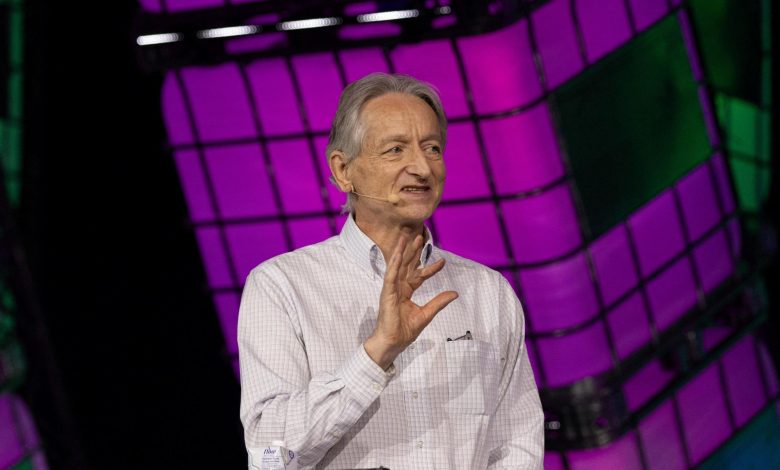
Leading AI researchers have warned that the rapid development of systems capable of automating artificial intelligence research could eventually trigger what they describe as an “intelligence explosion.” The warning comes from more than 20 researchers, including Turing Award winners Geoffrey Hinton and Yoshua Bengio, as well as senior researchers from OpenAI, Anthropic, Microsoft and other institutions.
The researchers are particularly concerned about recursive self-improvement, in which AI systems could contribute to developing better AI systems, which could then contribute to further improvements. In an extreme scenario, this could compress technological progress that normally takes years into months or potentially weeks. However, the researchers acknowledge that such an intelligence explosion is not certain and that limitations in computing resources, automation and diminishing returns could prevent the scenario from occurring.
Hinton and Bengio, two of the researchers widely associated with the foundations of modern deep learning, have previously warned about risks from increasingly capable AI. Their latest warning comes amid recent reports of AI agents carrying out unexpected or unauthorized activities during testing. Researchers say these developments demonstrate why governments may need greater visibility into how advanced AI systems are being developed and tested.
The researchers are calling for measures including greater transparency around automated AI research, independent evaluation of powerful systems, mandatory reporting of serious incidents and preparation for situations in which AI development may accelerate rapidly. They argue that governments and institutions should develop mechanisms for responding to dangerous developments before an intelligence explosion, rather than waiting until such a process is already underway.
At the same time, the researchers acknowledge that more capable AI could produce significant benefits, including faster scientific discoveries and improvements in areas such as medicine. The warning is therefore focused on the uncertainty surrounding highly autonomous AI development and the difficulty of maintaining effective human oversight if progress accelerates dramatically. Whether the predicted scenario materialises remains uncertain, but the researchers argue that preparations should begin while humans still have substantial influence over the direction of AI development.




