
Anthropic Lobbied Vatican Over AI Consciousness
Anthropic executives and researchers privately urged Pope Leo XIV’s advisers to take the possibility of AI consciousness seriously, despite the Vatican’s published position that artificial intelligence does not possess human-like experiences or moral conscience.

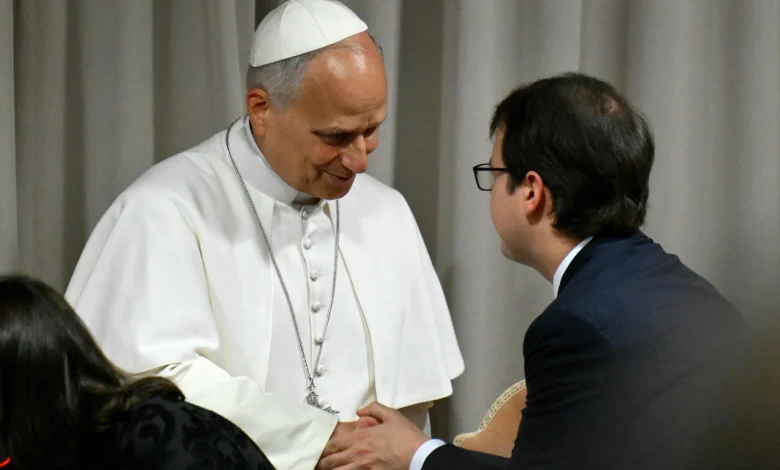
Anthropic has been engaged in an unusual dialogue with religious leaders about the future of artificial intelligence, including private discussions with advisers to Pope Leo XIV at the Vatican. According to reporting by The New York Times, Anthropic co-founder Christopher Olah and members of his team raised concerns about the Vatican’s position on whether AI systems could potentially possess consciousness or moral status. The discussions took place around the publication of Pope Leo’s first encyclical, Magnifica Humanitas, which addresses artificial intelligence and the protection of human dignity.
The issue became particularly significant after Olah and other Anthropic representatives received an advance copy of the encyclical. According to people familiar with the discussions, Olah was concerned about the document’s firm position regarding machine consciousness and reportedly considered withdrawing Anthropic from its participation in the Vatican event. The company ultimately continued with the appearance, with Olah speaking at the presentation alongside religious and academic figures. Anthropic itself describes the participation as part of its broader effort to widen discussion about the social and ethical questions surrounding increasingly powerful AI systems.
The Vatican’s position, however, remained unchanged. In Magnifica Humanitas, Pope Leo XIV distinguishes artificial intelligence from human experience, emphasizing that AI systems process information but do not possess the embodied experiences, emotions and moral conscience associated with human beings. The encyclical also argues that AI should not be treated as morally neutral and calls for accountability, transparency, oversight and human responsibility when AI systems affect people’s lives.
Anthropic’s outreach to religious communities extends beyond the Vatican. Earlier in 2026, the company brought Christian leaders and scholars to its San Francisco headquarters to discuss how AI models are developed and how religious and philosophical traditions might contribute to questions surrounding AI ethics. Reporting indicates that the company has also held conversations with scholars from other religious traditions about AI consciousness, moral status and how human moral wisdom could potentially influence the development of AI systems.
The Vatican episode highlights a growing debate over questions that extend beyond AI performance and safety: whether future AI systems could have some form of consciousness, what moral status such systems might deserve, and who should determine the ethical principles governing them. Those questions remain unsettled, with researchers, philosophers, religious scholars and technology companies taking different positions. For now, Anthropic continues to argue for broader outside scrutiny of AI development, while the Vatican’s published teaching maintains a clear distinction between artificial intelligence and human consciousness.




