
Global PC Shipments Plunge 20.1% as Memory Shortages and Rising Prices Hit Market
Worldwide computer shipments fell sharply in the third quarter of 2026 as rising memory costs, supply constraints and weaker consumer demand disrupted the market, according to research firm IDC.

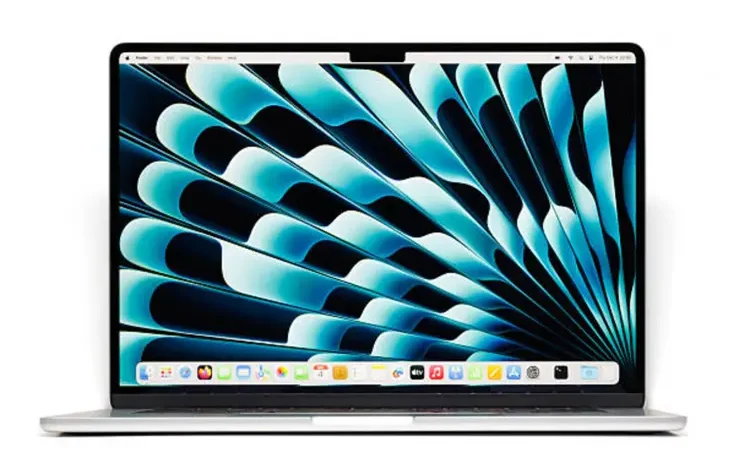
Global personal computer shipments declined by 20.1% year-on-year to 62.7 million units in the third quarter of 2026, marking a significant downturn for the computer industry. According to the International Data Corporation (IDC), the decline reflected the combined effects of component shortages, higher prices and inventory adjustments by manufacturers and retailers. The results represent a reversal of the usual seasonal pattern, in which PC shipments generally increase during the third quarter as businesses and consumers prepare for the back-to-school period and the final months of the year. Instead, shipments fell compared with the previous quarter as the market struggled with supply limitations and reduced purchasing activity. The findings suggest that the industry is facing growing pressure from both manufacturing costs and consumer affordability.
One of the major factors behind the downturn is the rising cost and limited availability of memory chips. Demand for advanced semiconductors has increased as technology companies expand their artificial intelligence infrastructure, placing additional pressure on parts of the electronics supply chain. Memory is an important component in computers, affecting both manufacturing costs and the final price consumers pay. IDC reported that manufacturers and retailers brought forward purchases earlier in 2026 in anticipation of higher component prices. Although this strategy helped support demand during the first half of the year, it left businesses with less need to replenish their inventories in the third quarter. The situation demonstrates how shortages and expectations of future price increases can alter purchasing patterns across the technology industry.
The decline affected major computer manufacturers, although the extent of the impact varied by company. Lenovo remained the market leader with approximately 14.9 million shipments and a 23.8% market share. HP followed with 10.3 million units, representing 16.5% of the market, while Dell shipped approximately 7.6 million computers for a 12.1% share. Apple ranked fourth with around 5.9 million shipments, while ASUS recorded approximately 5.5 million units. According to IDC’s reported figures, shipments declined across all five leading manufacturers, but Apple and ASUS experienced smaller year-on-year reductions than Lenovo, HP and Dell. These differences indicate that some manufacturers were better positioned than others to navigate the difficult market conditions, although the shipment figures alone do not establish the reasons for each company’s relative performance.
The market downturn could also affect consumers who are planning to purchase new computers. IDC expects PC prices to remain elevated because memory shortages and other supply constraints are unlikely to disappear quickly. Retailers may respond to weaker demand by introducing discounts and promotional campaigns to reduce excess inventory. However, these offers may not be sufficient to return prices to the levels seen in 2025. Higher prices could encourage households, students and businesses to delay upgrades or continue using existing computers for longer. Smaller businesses and educational institutions may face particular difficulties when replacing large numbers of devices within limited budgets. If these pressures continue, manufacturers could experience further declines in shipments while adjusting production levels to match actual demand.
Looking ahead, the outlook for the PC industry remains uncertain. IDC’s broader 2026 forecast points to continued pressure from memory shortages, inflation and weaker purchasing power, with meaningful market stabilisation not expected before 2028. Manufacturers may need to revise their supply-chain strategies, manage inventory more carefully and explore ways to limit the effect of component costs on consumers. At the same time, demand for AI-capable computers could provide opportunities in selected segments, particularly as businesses consider upgrading their technology infrastructure. Nevertheless, the latest shipment figures show that enthusiasm for artificial intelligence has not insulated the wider computer market from supply constraints and economic pressures. The industry’s recovery will depend on improving component availability, stabilising prices and restoring demand among consumers and business buyers.




