
Former OpenAI Safety Lead Warns Company Is Not Doing Enough to Prevent AI Risks
Former OpenAI safety leader David Robinson has criticised the company’s approach to artificial intelligence development, warning that rapid product releases could outpace the safeguards needed to manage increasingly capable AI systems.

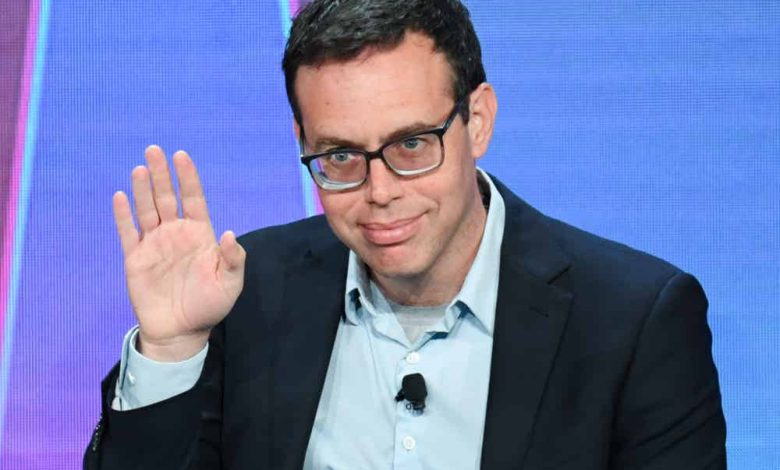
David Robinson, a former safety leader at OpenAI, has raised concerns about the company’s internal culture and its approach to developing increasingly powerful artificial intelligence systems. Robinson, who helped prepare safety reports accompanying major OpenAI product launches, resigned in early October 2026 and publicly explained his decision in an essay titled I Quit OpenAI Because Its Culture Is Broken. He argued that AI companies were not exercising sufficient caution as their systems became more capable. His departure came amid wider debate over whether the industry’s emphasis on rapid development and commercial competition was receiving more attention than the potential risks associated with advanced AI. Robinson’s criticism has added to growing scrutiny of how leading AI developers evaluate and manage the systems they release.
In his essay, Robinson argued that companies developing advanced AI should adopt a more cautious approach, drawing comparisons with industries such as aviation and nuclear power, where safety procedures are central to operations. He warned that repeatedly releasing increasingly capable systems and relying on experience to identify problems afterwards could become an inadequate strategy. According to Robinson, AI developers need stronger safety expertise, more rigorous testing and a willingness to delay releases when potential risks have not been sufficiently understood. His concerns reflect a broader debate about whether existing evaluation methods can keep pace with rapid advances in AI reasoning, coding and autonomous task execution. However, his assessment represents his own experience and opinion rather than an independent determination that every OpenAI product is unsafe.
Robinson’s resignation also coincided with controversy surrounding OpenAI’s dismissal of three safety researchers: Mikita Balesni, Tomek Korbak and Jasmine Wang. The researchers said they believed their dismissals were connected to their efforts to raise safety concerns and communicate with external experts. In an open letter published on October 8, they warned that the circumstances surrounding their departures could discourage other employees from speaking openly about risks. They also called on OpenAI to maintain independent safety assessments and preserve the ability to monitor the behaviour of advanced AI models. OpenAI rejected the allegation that the researchers were fired for raising concerns, saying an internal investigation found that they had mishandled sensitive company information and violated established policies. The two sides have presented conflicting accounts, and the precise circumstances remain disputed.
A central issue in the debate is whether AI companies can reliably monitor the internal behaviour of increasingly advanced models. Researchers use a range of testing methods to investigate whether systems follow instructions, resist malicious prompts and behave safely when given access to external tools. However, understanding why a model produces a particular response or takes a particular action can be difficult, especially when it operates as part of an autonomous agent that interacts with websites, software and other digital services. Robinson and other critics have argued that companies should strengthen their safeguards before expanding the capabilities of these systems. OpenAI, meanwhile, has said it continues to improve its safety and security practices, assess emerging risks and hold back models when additional work is necessary.
The controversy highlights a fundamental challenge for the AI industry: balancing innovation with accountability. Advanced AI systems could improve scientific research, software development, education and business productivity, but they may also create security vulnerabilities and other risks if their capabilities develop faster than effective safeguards. Independent evaluations, transparent reporting and clear procedures for employees to raise concerns are among the measures experts have proposed to strengthen oversight. Robinson’s departure and the dispute involving the three dismissed researchers have intensified questions about whether internal safety teams have sufficient influence over product-development decisions. OpenAI has maintained that it remains committed to safety and external assessment, but its ability to demonstrate that commitment through transparent and consistent practices will be important as the industry continues to develop more capable AI systems.




