Uber and China’s Pony.ai Plan Robotaxi Testing in London
Uber and Chinese autonomous-driving company Pony.ai are preparing to test driverless taxi technology in London, expanding their partnership in Europe as competition intensifies to commercialise self-driving transportation.

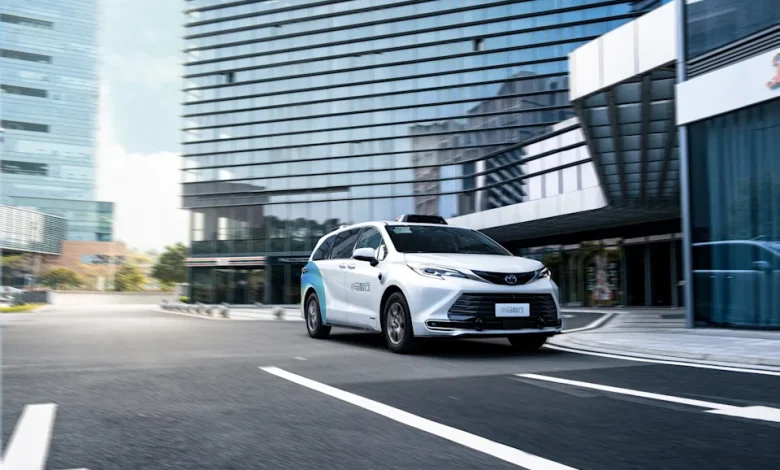
Uber has announced plans to expand its partnership with Chinese autonomous-driving company Pony.ai to London, where testing of its seventh-generation robotaxis is expected to begin in the coming weeks. The announcement, made on October 8, 2026, marks another step in Uber’s strategy to expand autonomous transportation through partnerships with technology developers rather than building all its self-driving systems independently. Pony.ai’s Gen-7 robotaxis are designed to navigate urban roads using autonomous-driving technology, potentially allowing passengers to book rides without a human driver eventually operating the vehicle. However, the companies have not yet announced a commercial launch date for London, and the initial testing will need to comply with the United Kingdom’s regulatory requirements.
The planned London expansion builds on an existing partnership between Uber and Pony.ai that has already reached the commercial deployment stage in Zagreb, the capital of Croatia. In August 2026, the companies introduced autonomous rides through the Uber platform in Zagreb in collaboration with Croatian mobility company Verne. Under that arrangement, Pony.ai provides the autonomous-driving technology, Verne owns and operates the fleet, and Uber connects passengers with the service through its ride-hailing application. At the initial launch, a licensed operator remained behind the wheel to monitor the vehicle while the partners worked towards fully driverless operations. The companies have also outlined plans to deploy more than 2,000 robotaxis across Europe, although the complete rollout schedule and locations have not been announced.
Pony.ai’s arrival in London would place it in an increasingly competitive autonomous-transportation market. Uber has already partnered with British self-driving technology company Wayve, which began offering supervised autonomous rides in London in September using modified Ford Mustang Mach-E vehicles. The service allows eligible passengers requesting certain Uber ride categories to be matched with a vehicle carrying a safety operator. Meanwhile, Chinese technology company Baidu has also begun testing autonomous vehicles in London through a separate partnership. These developments demonstrate how the British capital is becoming an important testing ground for companies seeking to prove that self-driving vehicles can operate safely in complex urban environments with heavy traffic, cyclists, pedestrians and unpredictable road conditions.
Uber’s broader strategy involves working with multiple autonomous-vehicle companies across different markets. Rather than depending on a single technology provider, the company has established partnerships with more than 30 organisations involved in autonomous transportation. This approach allows Uber to connect different self-driving systems to its existing customer network while relying on specialist companies to develop and maintain the vehicles’ autonomous-driving capabilities. Uber has said it expects to offer autonomous rides in as many as 15 cities worldwide by the end of 2026. For Pony.ai, working with Uber offers access to a major international ride-hailing platform and a potential route into markets beyond China. Nevertheless, the companies must still address fleet ownership, operating responsibilities, safety requirements and local approvals before expanding their services.
The planned London tests also highlight the regulatory challenges facing the global robotaxi industry. The United Kingdom has introduced a legal framework for autonomous vehicles, but testing a self-driving car is not the same as receiving permission to operate a fully driverless passenger service commercially. Companies must demonstrate that their systems meet the relevant safety and operational requirements before offering services without a human safety operator. The public will also need confidence that these vehicles can respond appropriately to road hazards, unusual traffic situations and emergencies. Although autonomous transportation could eventually offer new travel options and improve mobility, questions remain about reliability, accountability and how the technology will coexist with conventional taxis and human drivers. For now, Uber and Pony.ai’s next step is to begin London testing and work with the relevant authorities before announcing any wider public rollout.