
Elon Musk Floats Amazon Rival After Grok Shopping Bots Face Restrictions
Elon Musk has suggested launching a competitor to Amazon after a user claimed the e-commerce giant was blocking Grok-powered AI agents from placing orders, raising fresh questions about the future of AI-driven online shopping.

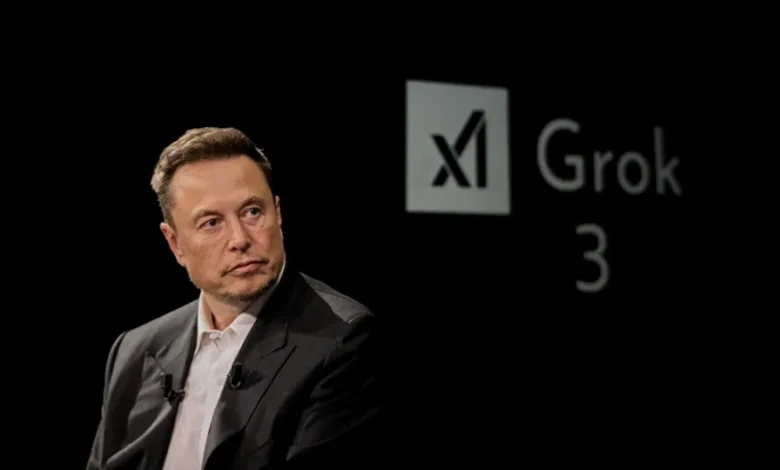
Elon Musk has floated the possibility of launching a rival to Amazon after a dispute over the ability of artificial intelligence agents to shop on the platform. On Thursday, October 15, 2026, Musk responded to a post on his social media platform, X, suggesting that Amazon was preventing Grok-powered bots from placing orders. Musk replied, “Maybe we should start a competitor to Amazon,” prompting speculation that his companies could eventually enter the online retail market. However, Musk did not announce a new business, provide a launch date or explain how such a service would operate. For now, the remark remains a public suggestion rather than a confirmed plan to establish a competing e-commerce platform.
The exchange highlights growing tensions between established online marketplaces and developers of AI shopping agents. These agents are designed to search for products, compare prices, identify deals and potentially complete purchases on behalf of users. Grok, developed by Musk’s artificial intelligence company xAI, is part of this emerging market in which AI systems are increasingly expected to perform practical tasks rather than simply answer questions. If an AI agent cannot place orders on a major marketplace, its usefulness as a shopping assistant may be limited. The reported restrictions have therefore raised questions about whether retailers will allow third-party AI agents to operate freely on their platforms or require them to use approved tools and purchasing systems.
Amazon has its own commercial reasons for controlling how automated systems access its marketplace. AI agents may create concerns involving account security, automated purchasing, customer privacy, unauthorised data collection and compliance with platform rules. Retailers also want to maintain control over product discovery, customer relationships, payment processes and the shopping experience. At the same time, AI developers want their assistants to interact with popular services so users can complete tasks without navigating multiple websites themselves. The disagreement reflects a larger question for the technology industry: who will control the relationship between consumers, AI assistants and the businesses selling products online? The exact technical and policy reasons behind the reported restrictions on Grok bots were not fully established in the available reporting.
A shopping platform backed by Musk could potentially connect AI-powered product discovery with his existing technology businesses. An X-based storefront, for example, could allow users to discover products, receive recommendations and make purchases through a more integrated digital experience. However, building a genuine competitor to Amazon would require far more than creating an AI interface. Amazon has spent decades developing relationships with sellers, warehouses, delivery networks, payment systems and customer-service operations. A new entrant would need to attract merchants, offer competitive prices, ensure reliable fulfilment and persuade consumers to trust it with their purchases. Musk’s comment has encouraged speculation about an alternative shopping service, but no concrete details have been announced about funding, logistics, merchant partnerships or the structure of a potential business.
The episode comes as competition intensifies over the future of autonomous AI agents. Technology companies are investing in systems that can research products, make recommendations and carry out transactions with varying levels of human supervision. Amazon is also developing AI-powered shopping tools, meaning the company is not simply defending a traditional retail model against outside challengers. If AI agents become a common way for people to shop, control over agent access, purchasing permissions and product recommendations could become an important competitive advantage. Musk’s suggestion signals the possibility of a new confrontation between AI developers and established marketplaces, but whether it becomes a real commercial venture remains uncertain. For now, the dispute illustrates how the rise of AI agents could reshape online retail and intensify competition among technology companies.




