Amazon CEO Says AWS Cloud Capacity Is Nearly Sold Out Through 2027
Amazon CEO Andy Jassy says surging demand for artificial intelligence has pushed Amazon Web Services close to its capacity limits through 2027, with substantial computing resources already committed to customers for 2028.

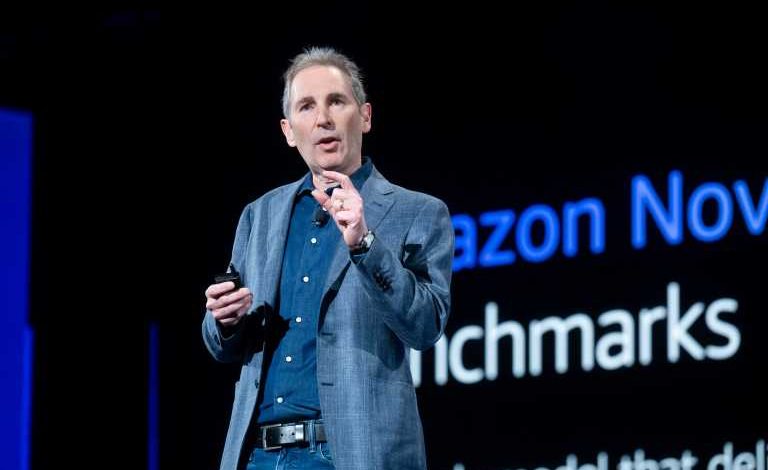
Amazon CEO Andy Jassy has revealed that the company’s cloud computing capacity is largely sold out through 2027 as demand for artificial intelligence infrastructure continues to grow rapidly. Speaking during a video podcast with Andreessen Horowitz executives Ben Horowitz and Erik Torenberg on October 23, 2026, Jassy explained that Amazon Web Services (AWS) is struggling to expand its infrastructure quickly enough to meet demand from AI developers and enterprise customers. He said the company had already committed most of its major computing capacity for 2027, while a significant portion of its capacity for 2028 had also been reserved. The announcement highlights the scale of the current AI infrastructure boom and the growing pressure on cloud providers to supply the computing resources required to develop and operate increasingly sophisticated AI systems.
The demand surge comes despite Amazon’s plans to spend approximately $220 billion on capital expenditure in 2026. The investment covers infrastructure such as data centres, servers, networking equipment and other resources needed to support cloud computing and AI services. Jassy indicated that the company could justify investing even more because demand remains stronger than its available capacity. AWS provides computing infrastructure to businesses developing AI models, running applications and processing large volumes of information. Its customers include technology companies, AI laboratories and organisations integrating generative AI into their operations. With many businesses competing for access to powerful computing systems, securing cloud capacity has become an increasingly important consideration for companies planning their AI strategies.
Two important AWS services are Amazon Elastic Compute Cloud (EC2) and Amazon Bedrock. EC2 allows businesses to rent computing resources to run applications, websites and demanding workloads, while Bedrock provides access to AI models and tools for building generative AI applications. Jassy explained that AWS continues to reserve some capacity for customers who need computing resources on demand, even though most large allocations have already been committed. The distinction matters because not every customer can make long-term reservations or accurately predict future computing requirements. Nevertheless, the overall shortage suggests that some businesses may face greater competition for access to infrastructure as AI adoption expands. Companies developing new products could also need to plan their computing requirements earlier to avoid capacity constraints.
Amazon’s infrastructure expansion also reflects the enormous financial commitments required to compete in the AI industry. Building data centres involves more than purchasing servers and chips: companies must secure electricity, land, cooling systems, networking equipment and specialised components. These facilities can take considerable time to construct and become operational, meaning expenditure often occurs months or years before the infrastructure begins generating revenue. Amazon has argued that long-term customer commitments help justify these investments, although rapid expansion can put pressure on cash flow in the short term. The company is also developing its own AI chips, known as Trainium, to improve computing efficiency and reduce dependence on external processors for certain workloads. Jassy has previously said that demand for Amazon’s custom chips is growing alongside demand for its broader cloud infrastructure.
The latest announcement underscores how infrastructure availability is becoming a major factor in the global race to develop and deploy artificial intelligence. Amazon competes with Microsoft, Google and other cloud providers to supply the computing resources that power AI models, enterprise software and autonomous agents. If demand continues to exceed supply, the companies that can build infrastructure efficiently and secure reliable electricity and semiconductor supplies may gain a competitive advantage. However, the industry also faces risks if demand eventually slows or customers reduce their spending after providers have committed billions of dollars to new facilities. Amazon is scheduled to report its third-quarter financial results on October 29, 2026, when investors will look for further details about AWS growth, capital expenditure and the company’s plans to address its capacity constraints. For now, Jassy’s comments suggest that demand for AI computing remains strong enough to keep much of Amazon’s future cloud capacity booked well in advance.