
Ofcom Identifies Four Age-Verification Methods for UK Social Media Ban
The UK communications regulator has identified four methods that social media companies could use to verify users aged 16 and above, ahead of the government's planned restrictions on under-16s accessing social media.

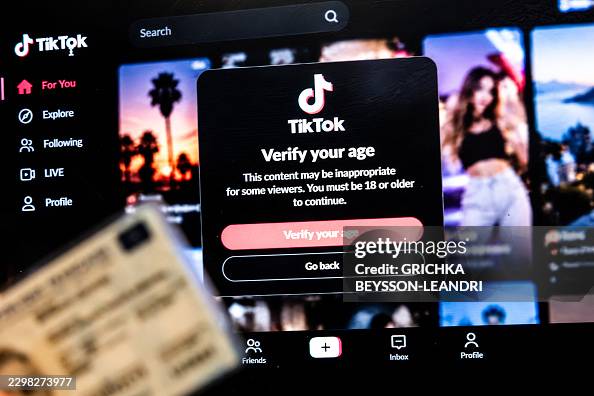
The UK’s communications regulator, Ofcom, has identified four age-verification methods that could help enforce the government’s proposed social media ban for children under 16. The announcement, published on October 29, 2026, outlines how technology companies could reliably establish whether users meet the minimum age requirement before allowing them to access restricted platforms. The assessment comes after the UK government announced plans in June to prevent children under 16 from using certain social media services. Ofcom said effective age verification would be essential to implementing the proposed restrictions, adding that platforms would need to adopt reliable systems rather than depending on users simply declaring their ages. The regulator is preparing guidance to help companies understand their responsibilities before the new restrictions take effect.
The first recommended method is photo identification matching, which involves checking an official identity document, such as a passport or driving licence, against a live photograph of the person attempting to access a platform. The second method involves banking-based verification, allowing financial institutions to confirm a customer’s age using information already held in their records. The third option is digital identity services, which enable individuals to verify their identities digitally and subsequently use that confirmation to demonstrate their age across supported services. The fourth method is facial age estimation, which analyses facial features to estimate how old a person is. Ofcom believes these four approaches are currently capable of providing highly effective age assurance for determining whether someone is at least 16 years old.
However, the proposed verification systems have raised questions about accessibility and privacy. Ofcom estimates that approximately 94% of people aged 16 and above in the UK have a passport or driving licence, while around 90% of 16- and 17-year-olds have bank accounts. This means some young people may struggle to complete certain verification processes, particularly those without official photographic identification. Facial age estimation also has limitations because some systems can make mistakes by several years. To address this problem, Ofcom recommends a secondary verification process for individuals whose estimated ages are close to the minimum threshold. The regulator also says companies must protect personal information and ensure that age-checking systems comply with UK data protection requirements.
Another major challenge is preventing children from bypassing age restrictions. Ofcom acknowledges that no verification system is completely resistant to circumvention, meaning some underage users may still find ways to access restricted platforms. Children could potentially attempt to use another person’s account, manipulate verification systems or access services through alternative methods. The regulator has therefore encouraged social media companies to introduce additional safeguards, including mechanisms for reporting suspected underage accounts and systems capable of identifying suspicious age-related activity. Ofcom also plans to monitor how effectively the restrictions work after implementation and publish further research on attempts to bypass the checks. The regulator believes that combining several protective measures will make the proposed restrictions more effective than relying on a single verification method.
The announcement represents an important development in the UK’s efforts to strengthen online protection for children. The government intends to publish its first set of regulations before the end of 2026, with the proposed restrictions expected to be implemented in spring 2027. Ofcom will subsequently consult on detailed guidance explaining how platforms should apply the new requirements and prepare to monitor compliance. The regulator has also suggested that app stores could play a greater role in age verification because many children access online services through applications downloaded from those platforms. Nevertheless, the proposals have generated debate over privacy, digital identification and the possibility that stricter age checks could affect adults who use social media legally. The success of the policy will depend on how effectively the government and technology companies balance children’s safety with privacy, accessibility and freedom of access online.




