Huawei Launches First HarmonyOS Desktop Computer Made With Chinese Components
The Qingyun HM650 features Huawei’s Kirin X90 processor and proprietary HarmonyOS, marking another major step in China’s push for technological independence.

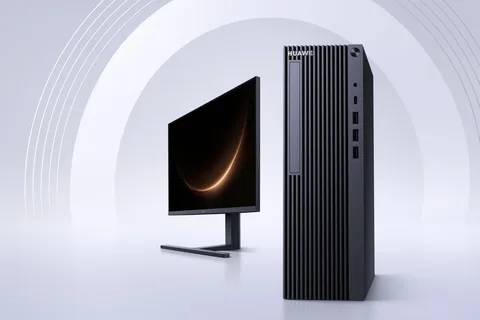
Huawei has launched its first desktop computer powered by its own HarmonyOS operating system, expanding the software beyond smartphones, tablets and laptops. The new Qingyun HM650 series was unveiled on November 5, 2026, and is designed mainly for government agencies and businesses. Huawei claims the computers use components manufactured entirely in China, including the processor, memory and storage, reflecting the country’s growing efforts to reduce dependence on foreign technology.
The desktop is powered by Huawei’s Kirin X90 processor, featuring 10 CPU cores and support for 20 processing threads. It also includes integrated Maleoon graphics, 16GB of LPDDR5 memory and storage options of 256GB or 512GB. The processor has a 40-watt power rating, while the computer runs Huawei’s enterprise version of HarmonyOS, providing an alternative to conventional Windows-based desktop systems.
Huawei has also equipped the computer with artificial intelligence and security features aimed at workplace productivity. Its AI assistant can help users find information, create documents, organise files, transcribe meetings and generate summaries. The system includes enterprise management tools, separate workspaces for different security environments and protections designed to safeguard sensitive information. These features are intended to make the desktop suitable for organisations handling confidential business and government data.
Despite Huawei’s claim that the computer is entirely Chinese-made, questions remain about the origins of some underlying technologies. The Kirin X90 is manufactured using a 7-nanometre-class process, but its production still relies on foreign chipmaking equipment, materials and technology licences. Compatibility with Windows applications could also present challenges for organisations that depend on existing software. Nevertheless, the launch represents another significant development in Huawei’s effort to build an independent technology ecosystem and strengthen China’s domestic computer industry.