Musk’s Terafab Places Rush Orders for Semiconductor Equipment in Japan
Tesla and SpaceX are accelerating preparations for their ambitious chipmaking project, with Japanese suppliers reportedly receiving equipment orders carrying delivery deadlines of just a few months.

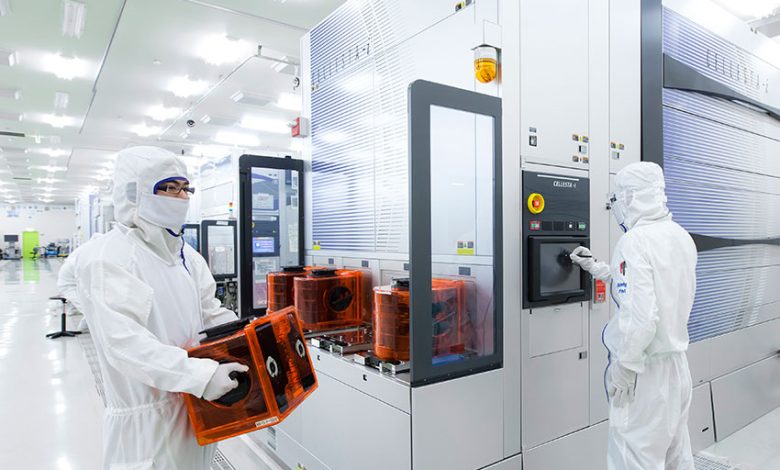
Elon Musk’s ambitious semiconductor project, Terafab, is moving closer to large-scale production after its procurement team reportedly visited Japan to place urgent orders with local chipmaking equipment manufacturers. According to a November 9 report by Nikkei, representatives of the project held meetings with Japanese suppliers earlier this month, requesting accelerated equipment deliveries to support plans for mass production in the second half of 2028. The development signals a major step forward for the joint initiative between Tesla and SpaceX, which aims to manufacture advanced chips for artificial intelligence and robotics.
The project is expected to manufacture processors for Tesla’s self-driving vehicles and Optimus humanoid robots, as well as SpaceX’s planned space-based AI data centres. Terafab aims to bring chip design, manufacturing, packaging and testing together within a single production ecosystem in Texas. Musk has previously said the Austin research facility could produce its first functional test chip around May or June 2027. He has also acknowledged that the schedule is extremely aggressive, given the complexity of establishing advanced semiconductor manufacturing facilities.
Terafab reportedly has a long-term production target of one million semiconductor wafers per month after 2032. Approximately 700,000 wafers would be allocated to memory chips used for data storage, while more than 300,000 would be dedicated to logic chips responsible for computing operations. The proposed capacity would be enormous compared with existing facilities, highlighting the scale of Musk’s ambitions. The project is also working with Intel, which has confirmed its involvement in chip design, manufacturing and packaging, although the precise division of responsibilities has not been fully disclosed.
Despite the growing activity, industry experts remain cautious about Terafab’s timeline. Building an advanced semiconductor factory and preparing it for reliable mass production typically takes several years, even after equipment has been secured. Manufacturers must also overcome technical challenges involving production yields, precision machinery and supply-chain coordination. Musk has thanked equipment suppliers, including ASML and other industry partners, for accelerating deliveries. However, whether Terafab can meet its ambitious 2028 production target remains uncertain as the project attempts to establish itself in one of the world’s most technically demanding industries.