Open-Sources Muse Gadgets to Let Developers Build AI-Powered Devices
Meta has open-sourced the software and firmware behind Muse Gadgets, allowing developers and hobbyists to connect the company’s Muse AI agent to custom hardware such as ESP32 boards, Raspberry Pi computers, displays, sensors and smart-home devices.

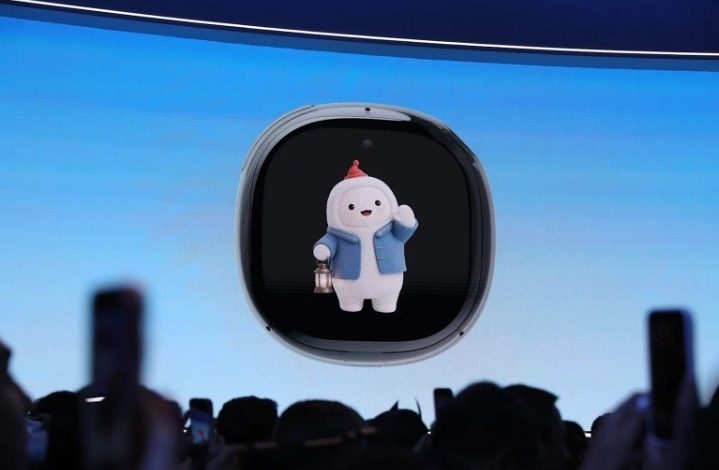
Meta has launched Muse Gadgets, an open-source project designed to let developers build their own physical devices powered by the company’s Muse personal AI agent. The project provides firmware for ESP32 boards and a Linux software development kit that can run on devices such as Raspberry Pi computers. Meta says developers can connect Muse to displays, buttons, sensors and other hardware, opening the door to a wide range of experimental AI devices beyond traditional smartphones and computers.
The company has suggested several possible projects, including a colour E Ink display that can show reminders and daily briefings, an HDMI device that could bring Muse to a television, and small touchscreen gadgets that could function similarly to dedicated AI companions. Developers can also build their own projects using readily available hardware rather than designing a device entirely from scratch. The Muse Gadgets project is released under the Apache 2.0 open-source licence, allowing developers to inspect and modify the code.
Meta has also created its own demonstration device called Muse Home Link. The small USB-C-powered gadget is designed to connect Muse to a user’s home network and allow the AI agent to interact with compatible smart-home equipment. Depending on the available integrations, Muse could perform actions such as controlling a television or speaker, switching lights on and off, or sending documents to a printer. Meta produced an initial batch of 5,000 Home Link devices, which are being offered to eligible Muse subscribers while supplies last.
The launch expands the role Meta wants Muse to play in people’s daily lives. Meta introduced Muse in September as a personal AI agent capable of carrying out tasks rather than simply responding to questions. The agent can work across connected applications and, according to Meta, can handle activities such as sending emails, booking travel and managing other tasks on a user’s behalf. The company has also announced plans to bring Muse to its AI glasses, further expanding the number of devices through which users can interact with the agent.
Muse Gadgets could ultimately turn Meta’s AI agent into a platform for experimentation by developers, makers and hobbyists. Instead of limiting Muse to Meta’s own products, the open-source approach allows people to connect the agent with different types of hardware and create specialised devices for their own needs. Meta has warned that users should proceed at their own risk when modifying hardware, but the project represents another step toward AI agents operating beyond chat interfaces and becoming integrated into physical environments.