Credit Markets See Little Immediate Risk From AI Debt
Investors appear increasingly confident that the rapid expansion of AI infrastructure will not trigger a major credit shock, even as technology companies and data-center operators take on significant amounts of debt.

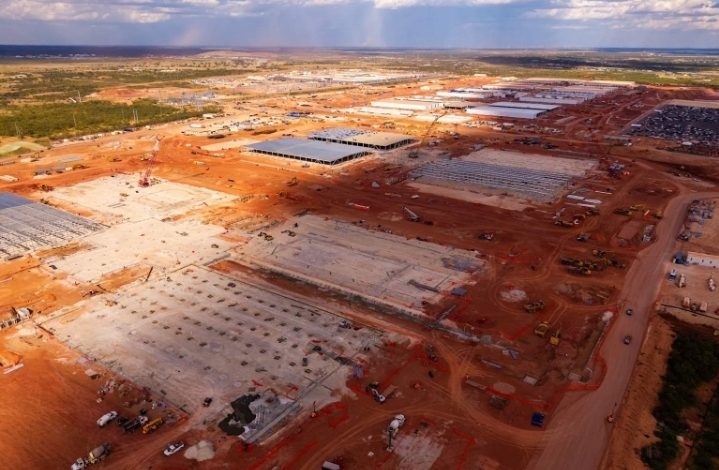
Credit markets are showing relatively little concern about the growing debt associated with the artificial-intelligence infrastructure boom. Investors have largely remained comfortable with the creditworthiness of companies financing data centers, GPUs and related infrastructure, even as the amount of capital flowing into AI continues to rise. The resilience of private-credit markets has also surprised some investors, with business-development companies recently recording strong returns.
A major reason for the optimism is the extraordinary demand for computing capacity. Technology companies are racing to expand AI infrastructure, creating a large market for data centers and advanced processors. Nvidia has also brought major financial institutions into the infrastructure push, with Apollo, BlackRock, Blackstone, Brookfield, Goldman Sachs and KKR involved in financing structures that could mobilize more than $500 billion for AI infrastructure.
However, the growing use of debt does not mean the sector is completely without risk. AI infrastructure requires enormous upfront investment, while computing hardware can become outdated as newer generations of processors arrive. If AI revenues fail to grow quickly enough to justify the infrastructure spending, highly leveraged operators could face pressure on their ability to service debt. This is one reason investors are paying closer attention to private-credit exposure to AI-related businesses.
Private credit has already attracted scrutiny because some lenders have significant exposure to technology companies whose business models depend heavily on continued AI spending. Analysts have raised concerns around illiquidity, defaults and the potential for problems in AI-exposed software companies to spread through private-credit portfolios.
For now, however, credit markets appear to be assigning relatively low probabilities to a broad AI-related credit crisis. The key question is whether today’s enormous infrastructure investment will eventually generate enough cash flow to support the debt being created. If AI adoption continues at its current pace, lenders could benefit from strong demand and relatively stable borrowers. But if spending slows sharply, the financial risks could become much more visible across the credit market.