
Trump Denies Role as WSJ Says Musk Ordered Starlink Restrictions in Ukraine
US President Donald Trump has denied responsibility for restricting Ukraine’s military satellite communications, while a Wall Street Journal investigation reports that Elon Musk authorised a Starlink slowdown that disrupted Ukrainian drone operations.

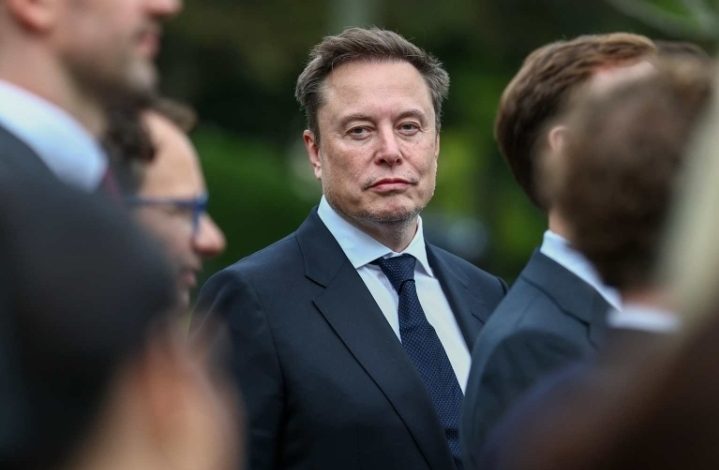
US President Donald Trump has rejected claims that he ordered restrictions on Ukraine’s access to Starlink satellite communications after reports emerged that the service had been deliberately slowed. The controversy intensified following a Wall Street Journal investigation published on October 21, 2026, which reported that SpaceX chief executive Elon Musk authorised restrictions affecting a military-grade satellite communications system used by Ukrainian forces. The report said the decision disrupted communications for some Ukrainian offensive drones and interceptor systems. Trump had previously denied ordering the restrictions or knowing who was responsible. The developments have raised questions about the relationship between the US administration and SpaceX, whose satellite network has become an important part of Ukraine’s military communications infrastructure.
According to the Wall Street Journal, Musk imposed a speed restriction that prevented certain Ukrainian military hardware from maintaining its satellite connection when travelling faster than approximately 160 kilometres per hour. The limitation reportedly affected drones used to attack Russian targets and intercept incoming threats. Ukrainian officials said the restrictions created operational difficulties because some military drones rely on satellite connectivity to communicate with operators and navigate their missions. The report also said Musk and Trump had discussed the situation, although accounts differed over the extent of the president’s involvement in the original decision. Musk had previously stated that restrictions on Starshield, the military-focused service associated with Starlink technology, were determined by the US military and ultimately the president.
The controversy comes amid worsening tensions between Washington and Kyiv over the conduct of the war against Russia. Trump has criticised Ukrainian President Volodymyr Zelensky over attacks on Russian energy infrastructure, arguing that strikes on oil refineries have contributed to higher energy prices. Musk has also publicly criticised Zelensky, adding to concerns in Ukraine that political disagreements could affect access to essential communications technology. The reported slowdown prompted confusion among US officials about who authorised the restrictions and whether the White House had been consulted. Ukrainian authorities sought clarification from American officials and SpaceX as military units experienced connectivity problems. The incident has highlighted the influence that a private technology company can exercise when its infrastructure becomes essential to a country’s military operations.
On October 22, Trump said that Ukraine’s Starlink access had improved after he was asked about reports that he had contacted Musk to request the removal of the restrictions. The president declined to confirm whether he had personally made the call, saying that the important point was that the service had been restored. Reuters reported that US and Ukrainian officials said the system was operating more normally following the reported conversation. However, some Ukrainian officials indicated that the service had not returned completely to its previous functionality. Zelensky also said that Starlink speeds had not yet been fully restored and expressed hope for further discussions with US Secretary of State Marco Rubio. The differing statements suggest that, although connectivity improved, questions remained about the extent of the restoration.
The episode has renewed debate about Ukraine’s dependence on privately operated satellite networks and the potential consequences when access can be changed by a commercial provider. Starlink has played a significant role in maintaining internet connectivity and supporting communications for Ukrainian forces since Russia launched its full-scale invasion in 2022. The controversy has also attracted attention from US lawmakers, with Senator Richard Blumenthal announcing an investigation into the disruption and the implications of the Pentagon’s dependence on SpaceX for critical communications. While the latest developments suggest that service has improved, the incident demonstrates the strategic importance of establishing reliable arrangements for military communications during wartime. Ukraine, the United States and SpaceX now face continuing questions about responsibility, operational control and safeguards against future disruptions.




