
Meta Launches Muse, a Personal AI Agent
Meta Introduces Muse as a Personal AI Agent That Can Complete Tasks, Manage Goals and Work Across Connected Apps With User Approval.

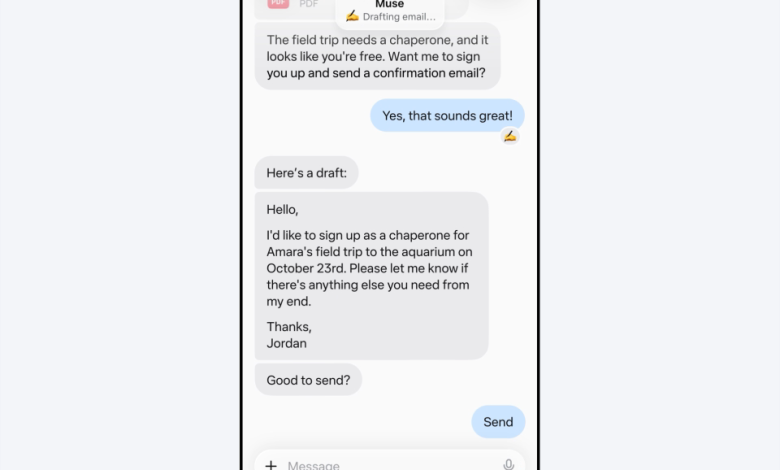
Meta has launched Muse, a new personal AI agent designed to do more than answer questions. The system can take on tasks and projects, develop plans around users’ goals and continue working in the background. Meta describes Muse as an important step toward its broader vision of personal AI that can help people manage different areas of their lives.
Muse is powered by Meta’s Muse Spark model and operates through a dedicated cloud computer called Muse Secure VM. The system can browse the web, fill out forms, send emails, make purchases and handle other multi-step activities. Users can also connect services such as email, calendars and Meta applications, allowing Muse to work with information relevant to their tasks.
A major difference between Muse and conventional chatbots is its ability to continue working after the user closes the application. It can track goals, monitor changes and return when an action requires approval. Meta says users remain in control of sensitive activities, with the system asking for permission before actions such as sending messages or making purchases.
Privacy and security are central to Meta’s design. Muse operates inside an isolated virtual machine, while a separate security system called Sentinel monitors actions and controls whether the agent can access the internet. Meta also says users can choose which services Muse connects to, change permissions and disconnect services whenever they want. A more private Confidential VM option is planned for later this year.
Muse is initially rolling out in the United States on iOS, Android and the web, with access also available through WhatsApp. Meta says the service will be free for many users with limits, while paid subscriptions will provide additional usage. The launch marks a significant shift toward AI agents that can perform real-world tasks, but questions about reliability, privacy and how much control users should give autonomous systems will remain important as the technology develops.




