
Cyberattack Heats Refrigerators at Hundreds of French Supermarkets
Hackers reportedly manipulated connected refrigeration systems at hundreds of French supermarkets, raising temperatures to as high as 50°C, destroying food supplies and triggering fires while exposing serious cybersecurity weaknesses in industrial control systems.

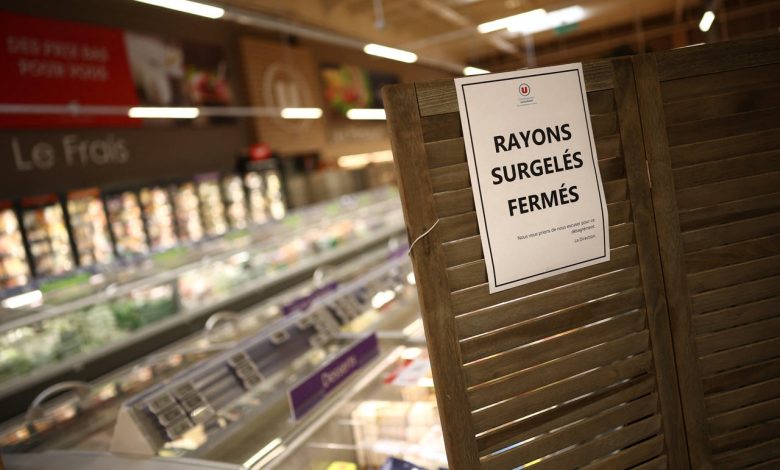
A major cyberattack has disrupted refrigeration systems at hundreds of supermarkets across France, causing extensive food losses and raising concerns about the security of internet-connected equipment. The incident, reported on October 12, 2026, affected several major retail chains, including Carrefour, Intermarché, Monoprix and Coopérative U. According to Reuters, hackers remotely manipulated refrigeration controls, causing some refrigerators and freezers to reach temperatures of approximately 50°C. The unusual temperature increases damaged refrigeration equipment, spoiled perishable products and triggered fires in some locations. French authorities have launched an investigation into the incident, which officials have described as a serious attack on systems essential to food preservation and the country’s food supply. The scale of the disruption has also raised concerns about the potential consequences of cyberattacks against equipment that most consumers rarely associate with digital security.
Several supermarket operators reported significant damage following the attack. Carrefour said approximately 80 stores were affected, while Intermarché reported problems at around 150 locations. Monoprix also confirmed disruptions affecting some of its outlets, and Coopérative U reported that its refrigeration systems had been targeted. Employees at affected supermarkets were forced to remove fresh and frozen products to prevent consumers from purchasing food that might no longer be safe to eat. Intermarché said the affected products were discarded as a precaution, while some stores experienced temporary disruption as staff cleared damaged stock and assessed their equipment. Industry representatives warned that the financial consequences could reach tens of millions of euros nationwide, although a comprehensive estimate of the losses was not immediately available.
Investigators are examining vulnerabilities in refrigeration management software supplied by Danish company Danfoss. These systems allow supermarket operators and maintenance contractors to monitor temperatures and control refrigeration equipment remotely. According to initial reports, some affected units were running outdated firmware that had not received the latest security updates. Cybersecurity researchers had previously identified vulnerabilities in certain Danfoss refrigeration controllers that could allow attackers to bypass authentication protections and execute commands on compromised systems. The latest incident demonstrates how weaknesses in industrial control technology can create serious physical consequences when attackers gain unauthorised access. Instead of merely stealing information or disrupting a website, criminals can potentially manipulate machinery, damage products and interfere with essential commercial operations. However, investigators have not yet publicly established every detail of how the attackers gained access to the affected systems.
The attack has prompted a wider investigation into the security of connected industrial equipment. French Prime Minister Sébastien Lecornu instructed the country’s National Cybersecurity Agency, known as ANSSI, to investigate the incident and assess whether additional businesses could be at risk. Authorities are also coordinating with European counterparts after a cybersecurity analyst reported possible effects in countries including Spain, Portugal, Poland, Germany and Belgium. Separately, Dutch supermarket operator Ahold Delhaize reported a cybersecurity incident that forced it to take some systems offline as a precaution. The company said there was no established reason to link its incident to the French supermarket attacks. These developments highlight the importance of distinguishing confirmed connections from separate security incidents while investigators work to establish the full scope of the disruption.
The incident serves as a warning about the cybersecurity risks associated with the Internet of Things and industrial technology. Businesses increasingly rely on remotely managed systems to control refrigeration, heating, manufacturing equipment and other essential operations. While remote access can reduce maintenance costs and improve efficiency, inadequately secured devices can become entry points for cybercriminals. Security specialists recommend keeping firmware updated, replacing unsupported equipment, restricting remote administrative access and monitoring systems for unusual activity. Companies should also separate industrial control networks from ordinary business networks and establish procedures for responding quickly when equipment behaves unexpectedly. For supermarkets, maintaining secure refrigeration is particularly important because failures can affect food safety, business continuity and public confidence. The investigation into the French incident is ongoing, and authorities have not yet publicly identified those responsible.




