IDC Reports Sharpest Third-Quarter Decline in Global PC Shipments
Global PC shipments fell 20.1% year over year in the third quarter of 2026 as rising memory prices, component shortages and weaker demand pressured computer manufacturers and consumers.

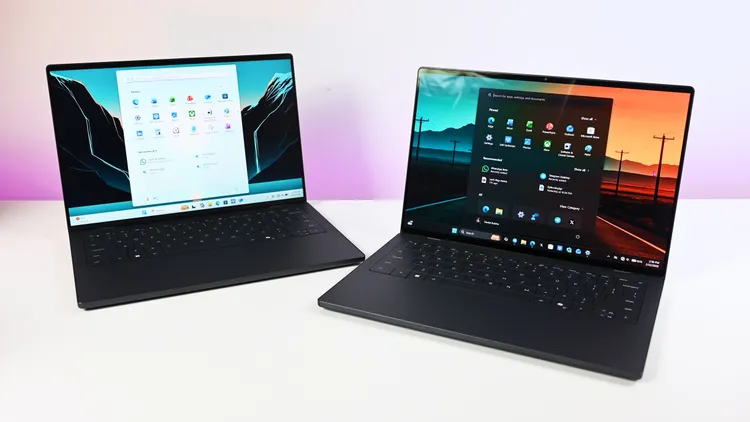
The global personal computer market experienced a significant downturn in the third quarter of 2026, with worldwide PC shipments declining by 20.1% compared with the same period a year earlier. According to preliminary figures from market research firm IDC, manufacturers shipped approximately 62.7 million desktop and laptop computers during the quarter, down from 78.5 million units in the third quarter of 2025. The decline represents one of the sharpest contractions in the industry’s recent history and highlights the growing pressure on computer manufacturers as production costs rise. The figures also indicate a reversal from the stronger shipment performance recorded earlier in the year, when many businesses and consumers purchased computers ahead of anticipated price increases and supply constraints.
One of the main factors behind the decline is the rising cost of memory and storage components. Demand for high-performance memory used in artificial intelligence data centres has increased significantly, encouraging manufacturers to prioritise components that serve the expanding AI infrastructure market. This has placed additional pressure on the supply available for consumer electronics, including laptops and desktop computers. As memory and storage prices increase, PC manufacturers face higher production costs and must decide whether to absorb those expenses or pass them on to customers. Many have raised prices, making new computers less affordable for households, students and small businesses. Industry analysts warn that these pressures could continue to affect the market over the coming quarters.
Another important factor is the purchasing behaviour observed during the first half of 2026. Anticipating rising component costs and potential shortages, many PC manufacturers, retailers and business customers accelerated purchases earlier in the year. This brought forward demand that would ordinarily have occurred during the third quarter. As a result, companies entered the period with existing inventory and fewer immediate orders to fulfil. IDC analysts have warned that retailers are now concerned about holding excessive stock in a market where higher prices are weakening demand. Although some sellers may introduce temporary promotions to encourage purchases, analysts do not expect computer prices to return quickly to their previous levels.
Major PC manufacturers have also been affected, although the severity varies by company. Lenovo retained its position as the world’s leading PC vendor, while HP and Dell remained among the largest suppliers despite substantial shipment declines. Preliminary estimates published by Gartner on October 12 also showed a steep industry contraction, reporting a 22.4% year-on-year decline in third-quarter shipments. Gartner attributed the fall primarily to higher memory and storage costs, reduced availability of lower-priced configurations and businesses focusing their spending on selected investments rather than broad computer upgrades. Although Gartner and IDC reported different shipment totals and decline rates, both assessments point to considerable weakness across the global PC market.
The downturn could have broader consequences for the technology industry if high component costs persist. Consumers may delay replacing ageing computers, while businesses could extend equipment replacement cycles or concentrate spending on specialised machines designed for demanding workloads. Students and other price-sensitive buyers may be particularly affected if entry-level laptops become more expensive or harder to find. At the same time, manufacturers are under pressure to balance production costs, inventory levels and competition in an increasingly uncertain market. IDC has warned that the memory shortage could continue into 2027, creating further risks for shipments and pricing. Although demand for AI-capable computers may support some premium segments, the wider market’s recovery will depend on component availability, affordability and whether customers resume their postponed purchases.