SpaceX Revenue Jumps 161% as AI Business Fuels Record Quarterly Results
Elon Musk’s SpaceX reported $14.6 billion in third-quarter revenue, up 161% year over year, as its artificial intelligence business expanded rapidly and Starlink continued attracting customers worldwide.

SpaceX has reported a significant financial turnaround, with revenue surging 161% to approximately $14.58 billion in the third quarter of 2026, compared with $5.58 billion during the same period last year. The results, released on October 20, exceeded analysts’ expectations of approximately $12.72 billion, demonstrating the growing contribution of artificial intelligence infrastructure and satellite internet services to the company’s business. SpaceX also reported net income of $4.4 billion, reversing a loss of approximately $1.05 billion a year earlier. Its adjusted earnings before interest, taxes, depreciation and amortisation reached $8.8 billion, highlighting the scale of its recent expansion. The performance marks an important milestone for the company as it develops beyond its traditional identity as a rocket-launch and satellite communications provider.
A major driver of the growth was SpaceX’s rapidly expanding artificial intelligence business, which generated approximately $7.56 billion in quarterly revenue. This represented a dramatic increase from the previous year, reflecting new cloud computing agreements, the integration of AI coding company Cursor and increased adoption of AI products such as Grok. SpaceX has been investing heavily in computing infrastructure that can supply processing capacity to external AI developers, including Anthropic, Google and Reflection AI. This means a substantial portion of its AI revenue comes from providing computing resources rather than relying exclusively on its own AI software. The strategy places SpaceX in competition with established cloud infrastructure providers while giving AI companies access to additional computing capacity for training and operating advanced models.
Despite the rapid expansion of its AI operations, Starlink remains a major source of SpaceX’s profitability. The satellite internet business generated approximately $5.25 billion in revenue during the quarter, representing growth of about 69% compared with the previous year. Its operating income reached approximately $2.37 billion, while the number of subscribers increased to 13.6 million. Starlink has expanded beyond residential broadband to serve businesses, airlines, maritime operators and government customers. Additional satellite launches have helped increase network capacity and extend coverage to new markets. However, the company faces the challenge of balancing international expansion with pricing, as lower-cost subscriptions in some markets can reduce average revenue per customer. Maintaining strong service quality while expanding its global network will remain important to Starlink’s long-term financial performance.
The impressive revenue figures have also come alongside substantial spending on computing infrastructure. SpaceX’s capital expenditure reached approximately $19.6 billion during the third quarter, reflecting investments in data centres, AI computing capacity and other infrastructure. The company said its installed computing capacity had reached 1.7 gigawatts by September 30. Management expects spending to increase further, with fourth-quarter capital expenditure projected at between $35 billion and $40 billion. Such investments could strengthen SpaceX’s ability to compete in the expanding AI infrastructure market, but they also create financial risks if demand slows or computing resources fail to generate sufficient returns. The company must therefore demonstrate that its rapid growth can translate into sustainable profitability while continuing to fund expensive space programmes and satellite network expansion.
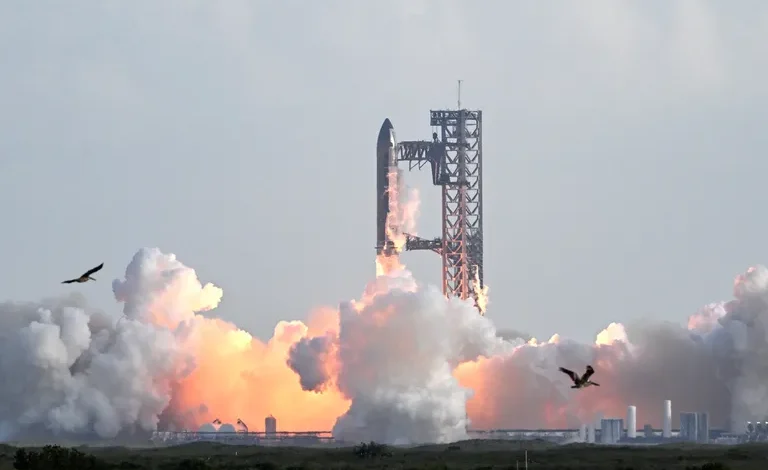
SpaceX’s latest results also come amid renewed discussion about a potential merger with Tesla, another company led by Elon Musk. Musk confirmed on October 20 that special committees at both companies had been formed to discuss a possible combination, describing the idea as potentially beneficial while cautioning that a merger was not certain. Any transaction would involve substantial financial, operational and regulatory considerations because the businesses operate in different industries, despite their overlapping interests in AI, robotics, computing and advanced engineering. Meanwhile, SpaceX’s longer-term ambitions continue to depend partly on the development of its Starship rocket, which is expected to support future satellite deployments and ambitious space missions. The latest earnings demonstrate the increasing importance of AI and connectivity to the company’s finances, but sustained investment and execution will determine whether its rapid expansion can continue.