
WSJ Links Binance VIP Customer to Alleged Iran-Linked Financial Network
A Wall Street Journal investigation alleges that a Binance high-value customer was connected to a cryptocurrency network that moved approximately $850 million through associated accounts, raising fresh questions about sanctions enforcement and financial compliance in the digital asset industry.

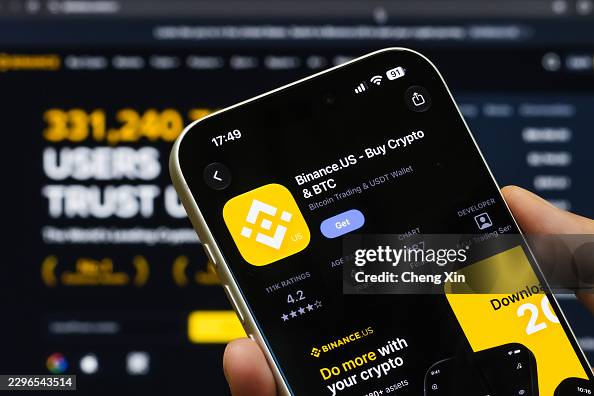
A new investigation by The Wall Street Journal has raised concerns about the use of Binance, the world’s largest cryptocurrency exchange by trading volume, in an alleged financial network linked to Iran. Published on October 9, 2026, the report describes how a customer receiving preferential treatment from the exchange was allegedly connected to businesses associated with Iranian financier Babak Zanjani. According to the investigation, the network used cryptocurrency accounts and affiliated payment companies to move funds linked to Iranian interests, including activities allegedly connected to the Islamic Revolutionary Guard Corps (IRGC). The report relies on internal company records, corporate information and accounts of investigations by international authorities. The allegations have renewed scrutiny of how cryptocurrency exchanges identify high-risk customers and respond when suspicious transactions are detected.
The investigation identifies Sukhrob Oimakhmadov as a key figure in the network. According to the newspaper, he managed a cryptocurrency business associated with Zanjani and operated accounts connected to companies including Zedcex and ZedPay. Internal records reviewed by the Journal reportedly showed approximately $850 million in transactions across 21 associated accounts, with around $67 million linked directly to the IRGC. Investigators also reportedly identified suspicious activity involving an Iranian money changer and repeated access to certain accounts from Tehran. These details suggest that investigators were examining connections between customer accounts, corporate entities and transaction patterns rather than relying solely on the identity information provided during account registration. However, the reported transaction totals and alleged links should be understood as findings attributed to the investigation and relevant authorities, not as a judicial determination that every transaction was unlawful.
A particularly significant aspect of the report concerns the customer’s status within Binance. The Journal said the customer was classified as a high-value client, a category associated with benefits such as reduced trading fees and personalised service. According to internal records cited in the investigation, this status meant that investigators needed senior-level approval to terminate the relationship. The report raises questions about whether commercial considerations can complicate compliance decisions when a customer generates substantial business. Cryptocurrency exchanges are required to monitor transactions, identify suspicious activity and comply with applicable sanctions and anti-money-laundering obligations. The effectiveness of these systems depends not only on detecting warning signs but also on whether compliance teams can act promptly when those warnings arise.
The allegations also come against the background of Binance’s previous legal troubles in the United States. In 2023, the company pleaded guilty to federal violations involving anti-money-laundering and sanctions compliance and agreed to pay approximately $4.3 billion in penalties as part of a settlement with US authorities. The latest report says some of the activity associated with the network continued into 2025 and early 2026. Binance has said that it blocked relevant accounts in late 2025 and removed the remaining associated accounts in May 2026, while also stating that it took corrective action and cooperated with law enforcement. The company has disputed aspects of previous Journal reporting about Iran-linked transactions, arguing that certain transactions predated the sanctions imposed on the individuals involved. These responses are important context when assessing the latest allegations.
The case highlights a continuing challenge for the global cryptocurrency industry: digital assets can move across borders rapidly, while complex networks of companies and accounts may make it difficult to identify the ultimate beneficiaries of transactions. US authorities have recently warned foreign financial institutions that conducting business with Iran or its financial sector could expose them to sanctions, underscoring Washington’s continued focus on restricting financial support for sanctioned entities. For cryptocurrency platforms, the issue is whether customer screening, transaction monitoring and internal escalation procedures are strong enough to detect and stop prohibited activity. The WSJ investigation does not establish that Binance knowingly supported the alleged network, and the company says it took action against the accounts involved. Nevertheless, the report is likely to intensify scrutiny of exchange compliance practices and reinforce the importance of transparent investigations, effective sanctions controls and independent oversight across the digital asset market.




