Apple Plans Four Consecutive Years of Foldable iPhone Releases
Apple is reportedly preparing an ambitious foldable iPhone roadmap extending through 2028 and beyond, signalling a long-term commitment to the premium smartphone category despite manufacturing challenges and intense competition.

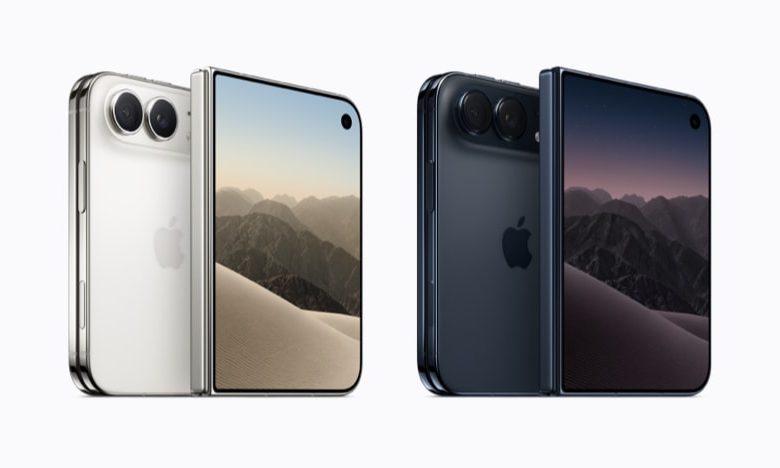
Apple is reportedly planning to release foldable iPhones over four consecutive years as it expands its smartphone lineup and explores new designs. The strategy follows the introduction of the company’s first foldable model, the iPhone Duo, in 2026. According to reports about Apple’s product roadmap, the company is already developing follow-up models intended to improve the folding design and appeal to a wider range of consumers. The move represents a significant shift for Apple, which has traditionally relied on annual upgrades to its established iPhone designs. By investing in foldable devices over several product generations, Apple appears to be positioning the category as a long-term part of its hardware business rather than a one-off experiment. However, details about future models remain based largely on industry reporting rather than formal product announcements.
The first foldable iPhone, marketed as the iPhone Duo, represents Apple’s attempt to combine the portability of a conventional smartphone with the larger screen of a compact tablet. The device features a passport-style design that opens into a 7.6-inch display, alongside a smaller external screen for everyday use. Apple has positioned it as a premium product, with prices starting at $1,999 for the 256GB version and rising to $3,199 for the 2TB configuration. Preorders opened on October 16, 2026, ahead of the planned October 23 retail launch. Early demand has been strong, with reported online delivery estimates extending into January 2027 shortly after preorders began. Although the delays may reflect both limited initial supply and strong demand, they demonstrate the attention surrounding Apple’s entry into the foldable smartphone market.
Reports indicate that Apple is also working on a second-generation foldable iPhone for 2027. While detailed specifications have not been confirmed, the next model is expected to build on the original design, potentially incorporating improvements to its internal components and overall performance. A further-generation device reportedly planned for 2028 could feature larger internal and external displays. Such changes would allow Apple to refine the user experience over time, particularly in areas such as multitasking, video viewing, productivity and app compatibility. Nevertheless, the exact specifications, release schedules and commercial names of these future devices remain uncertain. Apple’s plans could change as engineers evaluate manufacturing challenges, component availability and consumer feedback from the first generation.
Apple’s reported roadmap comes as competition in the foldable smartphone market intensifies. Companies such as Samsung, Huawei and Xiaomi have already introduced several generations of folding devices, experimenting with different screen sizes, hinges and form factors. Apple is entering the category later than some rivals, but its established ecosystem, retail network and control over hardware and software could help it attract customers who have been waiting for a foldable iPhone. The company must still address the challenges associated with folding displays, including durability, visible creases, battery performance and repair costs. Its premium pricing also means that the device is initially aimed at consumers willing to pay substantially more than they would for a standard flagship smartphone. Industry forecasts suggest Apple’s entry could increase consumer awareness and accelerate adoption, although the long-term size of the market remains uncertain.
The planned expansion could also help Apple sustain iPhone revenue as the broader smartphone market matures. Consumers are increasingly keeping their existing phones for longer, while rising memory-chip prices and component shortages are putting pressure on manufacturers. Recent industry estimates have shown a sharp decline in global smartphone shipments, reinforcing the importance of premium products and higher-value upgrades. Foldable devices offer manufacturers an opportunity to introduce new experiences that may persuade customers to replace older phones. For Apple, success will depend on whether future generations deliver meaningful improvements rather than simply repeating the same design with minor changes. Although four consecutive years of foldable releases have not been formally confirmed by Apple, the reported roadmap points to a broader strategy of expanding the iPhone family and establishing foldable hardware as a lasting part of its product portfolio.