Scientists Suggest the Gut’s Nervous System May Have Evolved Before the Brain
Researchers at Flinders University are challenging conventional ideas about nervous system evolution, proposing that the gut’s neural network may have developed before the brain and helped drive the emergence of more complex nervous systems.

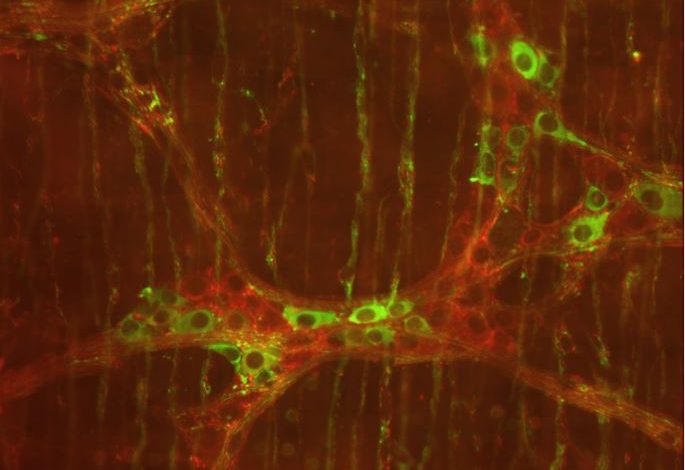
Scientists from Flinders University in Australia have proposed a new perspective on one of biology’s fundamental questions: which came first, the brain or the gut’s nervous system? In an opinion article published in The Journal of Physiology in October 2026, researchers argue that the enteric nervous system, a network of neurons embedded in the gastrointestinal tract, may represent an ancient foundation of nervous system evolution. Traditionally, the brain has been viewed as the body’s primary command centre, responsible for coordinating behaviour and controlling essential functions. However, the researchers suggest that the gut’s ability to detect its environment, process information and coordinate complex responses could indicate that neural systems initially evolved to support basic survival needs before more centralised brains emerged.
The enteric nervous system is sometimes called the body’s “second brain” because it contains hundreds of millions of neurons and can control many digestive activities without requiring direct instructions from the brain. It regulates intestinal movement, coordinates the release of digestive substances and responds to changes within the gastrointestinal tract. These functions are essential because organisms must obtain nutrients and energy to survive. Lead researcher Dr Tim Hibberd and senior author Professor Nick Spencer argue that these fundamental requirements may have played an important role in the early evolution of nervous systems. Their proposal challenges the conventional assumption that the brain should always be considered the starting point for understanding how neural control developed.
The researchers’ argument centres on the enteric nervous system’s capacity to operate independently while communicating with other parts of the body. When food enters the digestive tract, specialised cells and neurons detect mechanical changes and chemical signals. The resulting neural activity coordinates muscle contractions that move food through the intestines, alongside secretions that help digestion and nutrient absorption. Many of these responses can occur without conscious thought or direct commands from the central nervous system. This independence demonstrates that complex information processing does not always require a central brain. Nevertheless, the ability of the modern gut to perform these functions does not, by itself, prove that the gut’s nervous system historically appeared before the brain; that evolutionary interpretation remains a scientific hypothesis requiring further investigation.
The proposal could also influence research into the relationship between the gut, the brain and overall health. Scientists increasingly investigate how the enteric nervous system interacts with gut microbes, immune cells and the central nervous system. These interactions may influence digestion, metabolism, inflammation and communication between the gastrointestinal tract and the brain. Researchers are studying whether disruptions in these systems contribute to conditions such as irritable bowel syndrome, inflammatory bowel disease and certain neurological disorders. By placing greater emphasis on the gut’s neural network, the Flinders researchers believe scientists may identify new questions about how nervous systems evolved and how digestive and neurological processes influence one another. However, the evolutionary proposal does not establish that gut dysfunction directly causes these conditions.
The study is best understood as a new theoretical perspective rather than a definitive discovery that overturns established biology. The researchers published their argument as an opinion piece drawing on existing evidence from physiology and evolutionary biology, rather than reporting an experiment that conclusively established the historical order in which the brain and enteric nervous system evolved. Further comparative studies of living organisms, developmental biology and ancient evolutionary lineages will be needed to test the proposal. If supported by additional evidence, the idea could encourage scientists to reconsider how nervous systems developed and why complex neural networks emerged in the first place. For now, the research highlights the importance of the gut’s nervous system and offers a fresh perspective on the evolutionary relationship between digestion, survival and the development of brains.