
Apple Unveils Home Collection as It Expands Into Smart Home Security
Apple has introduced the Home Collection, a range of smart locks, security cameras, video doorbells and thermostats developed with LG Electronics and Schneider Electric as part of its wider push to build a more connected home ecosystem.

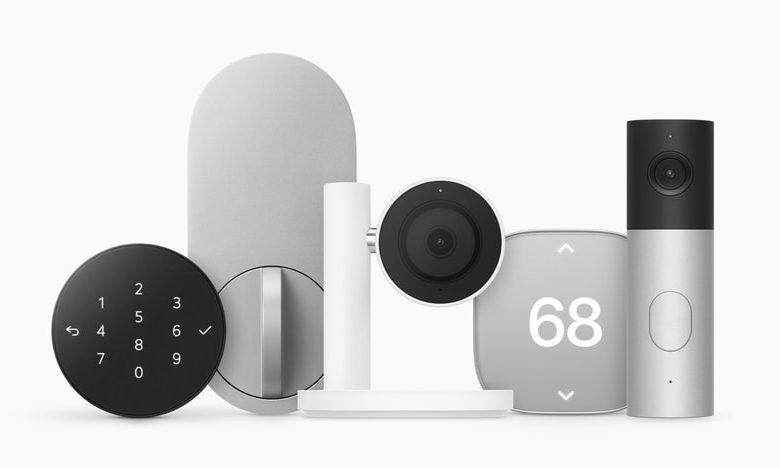
Apple has unveiled its new Apple Home Collection, marking a significant expansion of its smart home strategy. Announced on October 13, 2026, the collection includes security cameras, a video doorbell, a smart door lock and smart thermostats designed to work closely with Apple’s Home app. The launch forms part of the company’s broader Welcome Home initiative, which also introduced HomeView, a new smart display powered by an upgraded Siri assistant. By developing these products alongside established hardware manufacturers, Apple aims to offer consumers a more integrated experience for controlling home security, temperature and connected devices. The announcement also signals Apple’s intention to compete more directly with established smart home platforms from Amazon and Google.
The Home Collection was developed in partnership with LG Electronics and Schneider Electric. LG contributes several of the collection’s devices, including a smart door lock, a video doorbell and indoor and outdoor security cameras. Schneider Electric is providing one of the smart thermostats, while LG supplies another model. Apple says the products are designed to integrate directly with its existing ecosystem without requiring users to create separate accounts for individual manufacturers. The company is also emphasising straightforward installation, with supported devices using Bluetooth and near-field communication technology to simplify pairing with an iPhone. This approach is intended to reduce the technical difficulties that can discourage consumers from installing multiple smart home products.
Security and privacy are central features of the new collection. The cameras support Apple’s HomeKit Secure Video platform, which can identify events involving people, pets, packages and vehicles. Compatible systems can also use Apple Intelligence features to provide more descriptive notifications when supported hardware and software are available. Apple says video processing can take place locally on a home hub, with recordings stored in iCloud under its encryption protections for eligible subscribers. The smart door lock supports Apple Home Key, allowing compatible iPhones to unlock the door conveniently. These features are designed to make home security easier to manage while limiting unnecessary exposure of personal information. However, some advanced capabilities depend on compatible Apple devices, supported software and an eligible iCloud subscription.
The collection includes several products with different functions and price points. The LG smart door lock is priced at $349, while the dual-camera video doorbell costs $249. The indoor security camera is priced at $199, and outdoor cameras start at $299, rising to $399 for a model with motion-activated floodlights. Two smart thermostats, one from LG and another from Schneider Electric, are each priced at $199. The devices are intended to provide homeowners with a coordinated set of tools for monitoring entrances, checking deliveries, managing indoor temperatures and controlling access to their properties. Availability will vary by product and market, with several devices initially planned for the United States and Canada and some cameras also expected to reach the United Kingdom.
The announcement comes as Apple strengthens its wider smart home platform through new hardware and artificial intelligence. At the same event, the company introduced HomeView, a seven-inch smart display priced at $299, alongside the HomePod Mini 2 and an updated Apple TV 4K. HomeView is designed to act as a central household interface for controlling connected devices, accessing information and making FaceTime calls. Its integration with Siri is intended to make interactions more conversational and personalised. Apple faces established competition from Amazon’s Echo and Ring products and Google’s Nest ecosystem, both of which already offer a broad range of connected home devices. Apple’s ability to attract customers will depend on how easily its products work together, their compatibility with other standards and whether consumers consider their privacy and integration benefits worth the price.
The Home Collection represents an important step in Apple’s effort to turn its existing smart home software into a more complete hardware ecosystem. Rather than relying exclusively on third-party manufacturers, the company is now co-developing products intended to work closely with its own devices and services. This strategy could make home automation more convenient for households already using iPhones, Apple TV and HomePods, while giving Apple greater control over the overall user experience. At the same time, its emphasis on integration may limit the appeal for consumers who use devices from several competing platforms. As the new products begin rolling out, customer response will help determine whether Apple’s approach can establish a stronger position in the smart home market.




