
AI Data Centre Debt Yields Hit Double Digits as Investors Question the AI Boom
Borrowing costs for AI data centre developers are climbing into double digits as investors grow concerned about mounting debt, expensive infrastructure and whether future artificial intelligence revenues will justify the enormous investment.

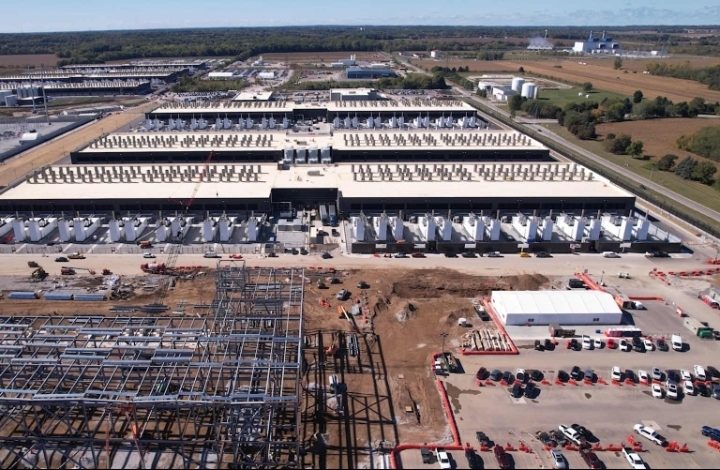
The global artificial intelligence boom is facing a growing financial challenge as borrowing costs rise for companies building the data centres and computing infrastructure that power advanced AI systems. On October 28, 2026, Bloomberg reported that yields on bonds and loans financing AI infrastructure were increasingly reaching double-digit levels, signalling that investors are demanding higher returns to compensate for growing risks. The development comes after technology companies and specialised AI cloud providers borrowed heavily to construct data centres, acquire advanced processors and expand computing capacity. While demand for AI services has encouraged massive investment, lenders are becoming more cautious about whether these projects will generate sufficient revenue to cover their costs. Companies that previously secured financing on favourable terms are now facing tougher conditions, raising questions about how easily the industry can fund its next stage of expansion. The situation does not mean the AI industry is collapsing, but it suggests that financial markets are becoming more selective about which projects and companies deserve additional capital.
One company attracting particular attention is CoreWeave, an AI-focused cloud computing provider that supplies infrastructure to businesses developing and operating advanced AI models. According to Reuters reporting earlier in October, CoreWeave bonds issued in June at a yield of approximately 9.675% subsequently fell in market value, pushing their yield towards 15%. Bloomberg also reported that some AI infrastructure debt was trading at substantial discounts as investors reassessed the risks associated with heavily indebted companies. When a bond’s market price falls, its yield rises, increasing the return demanded by investors who buy it at the lower price. Such movements can make future borrowing more expensive and weaken confidence in a company’s financial position. CoreWeave’s experience has become an important indicator of investor sentiment because specialised AI cloud providers often require significant upfront spending on processors and data centres before their investments generate sufficient cash flow. If financing becomes too expensive or difficult to obtain, these businesses may have to delay expansion, seek additional financial support or renegotiate their investment plans.
The pressure is also affecting the wider data centre financing market. Columbia Business School reported on October 16 that approximately $80 billion in US data centre bonds had been issued during 2026, with about $37 billion rated below investment grade. That represents nearly half of the total, highlighting the significant credit risk associated with financing parts of the AI infrastructure boom. Lower-rated bonds generally require higher yields because investors face a greater risk of delayed payments or default. Meanwhile, rising interest rates and increasing construction costs are making new projects more expensive to finance. Developers must also contend with delays in securing electricity connections, obtaining permits, purchasing advanced chips and completing facilities. These obstacles can postpone the point at which a data centre begins generating revenue, while interest and other financial obligations continue accumulating. Even projects backed by major technology companies are not completely insulated from these pressures, although financially stronger sponsors may have greater access to funding and more flexibility to absorb unexpected costs.
Another concern is the growing financial relationship between AI developers, chip manufacturers, cloud providers and infrastructure investors. Technology companies are increasingly investing in, lending to and purchasing services from one another, creating a network of interconnected financial commitments. Reuters reported on October 27 that Moody’s Ratings had warned that rising AI infrastructure borrowing could expose weaker companies to refinancing difficulties as loans mature between 2027 and 2029. Moody’s also highlighted the risk of circular financing, in which companies across the same industry support one another through investments, credit arrangements and commercial agreements. These relationships can help finance rapid growth, but they may also increase vulnerability if demand slows or one major participant encounters financial difficulties. If lenders become reluctant to provide additional funding, companies that depend on continuous borrowing could struggle to complete projects or meet existing obligations. Investors are therefore paying closer attention to contract terms, customer commitments, collateral values and the ability of borrowers to generate actual cash flow rather than relying solely on optimistic forecasts of future AI demand.
Despite these warning signs, the long-term outlook for artificial intelligence remains significant, with businesses continuing to explore applications in software development, research, customer service, healthcare and industrial automation. The central question is whether the economic value created by AI will grow quickly enough to justify the enormous cost of building the infrastructure required to support it. Companies with strong customer demand, disciplined spending and reliable financing may continue expanding, while weaker operators could face restructuring, consolidation or financial losses. Higher borrowing costs may also force developers to become more selective about where they build data centres and how quickly they add computing capacity. For investors, the current situation is a reminder that technological progress does not automatically guarantee profitable business models. The AI industry may continue growing, but its next phase could involve greater financial discipline and more scrutiny of debt. As the market evolves, the companies best positioned to succeed may be those that combine advanced technology with sustainable revenue, efficient infrastructure and the ability to withstand higher financing costs.




