
Tesla Shares Fall Despite Surprise Earnings Beat as Investors Question AI Spending
Tesla reported better-than-expected adjusted earnings for the third quarter of 2026, but its shares declined as investors weighed falling profits, reduced annual spending guidance and uncertainty surrounding the company's ambitious artificial intelligence and robotics plans.

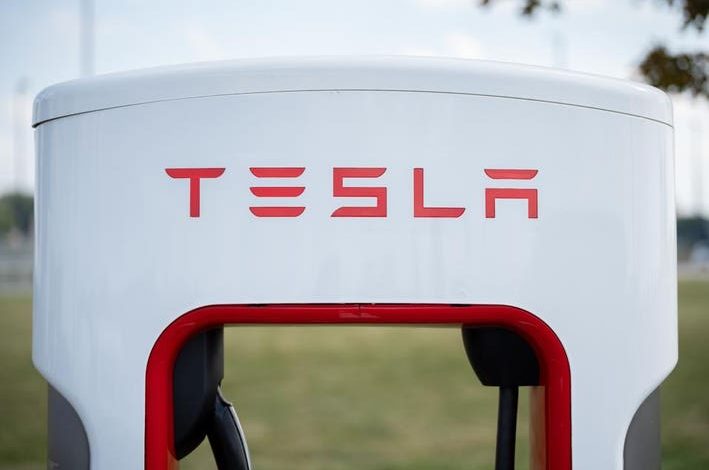
Tesla shares fell following the company’s latest earnings announcement, despite reporting adjusted profits that exceeded Wall Street expectations. The electric vehicle manufacturer reported third-quarter revenue of approximately $28.1 billion, while adjusted earnings reached $0.48 per share, above analysts’ expectations of around $0.45. However, the company’s net income dropped approximately 44% year over year to $787 million, highlighting the pressure on its profitability. Tesla’s revenue also came in slightly below some market forecasts, contributing to a mixed financial picture. Although the company delivered a positive earnings surprise, investors appeared more concerned about its future growth prospects and the significant investment required to develop its next generation of AI-powered products. Tesla shares declined in after-hours trading following the October 21 announcement, while broader technology stocks also faced pressure amid concerns about rising AI expenditure.
One of the biggest surprises in the report was Tesla’s decision to reduce its capital expenditure forecast for 2026. The company lowered its expected annual spending to approximately $20 billion from its previous projection of more than $25 billion. Capital expenditure covers investments in manufacturing facilities, equipment, computing infrastructure and other long-term assets. Tesla had more than doubled its quarterly capital spending compared with the previous year, reaching approximately $4.7 billion according to the Associated Press report, but the investment was lower than some analysts had anticipated. The company also generated approximately $1.5 billion in free cash flow, exceeding expectations that its substantial investment programme might result in cash outflows. While the stronger cash position provides additional financial flexibility, some investors interpreted the lower spending forecast as a possible indication that important projects could progress more slowly than previously expected.
Tesla’s artificial intelligence and robotics ambitions remain central to the debate over its valuation. Chief executive Elon Musk has positioned the company as more than an electric vehicle manufacturer, with plans to expand autonomous driving, introduce the Cybercab robotaxi and develop Optimus humanoid robots. These projects require substantial investment in computing infrastructure, software development, robotics manufacturing and specialised chips. Investors are particularly interested in whether these technologies can generate significant revenue and profits beyond Tesla’s traditional vehicle business. Reuters reported that analysts expect spending to increase again in 2027 and 2028 as the company advances its AI and robotics projects. However, questions remain about the timing of commercial deployment, regulatory approval and the ability of these products to deliver the financial returns currently anticipated by some investors.
Despite the concerns, Tesla reported improvements in several areas of its existing business. Its automotive gross margin, excluding regulatory credits, rose to approximately 18.1%, while more than 75% of vehicles delivered in North America reportedly included a subscription to its Full Self-Driving supervised driver-assistance software. The company also recorded positive free cash flow and ended the quarter with more than $45 billion in cash and investments, according to its earnings-call coverage. Tesla had previously reported delivering nearly 490,000 vehicles during the quarter, indicating continued demand for its vehicles despite competitive pressure in the electric vehicle market. Nevertheless, its declining net income shows that strong delivery numbers and selected improvements in margins do not automatically translate into stronger overall profitability. The company’s future performance will depend on managing costs, maintaining demand and converting its investments in software and automation into sustainable earnings.
Another development attracting investors’ attention is the possibility of a merger between Tesla and SpaceX, Musk’s aerospace company. Musk confirmed that special committees at both companies had been established to examine a potential combination, although no final agreement had been reached and significant obstacles remain. A merger could bring together electric vehicles, autonomous systems, artificial intelligence, satellite communications and space technology under one corporate structure. However, such a transaction would raise complicated questions about valuation, corporate governance, financing and regulatory approval. For Tesla shareholders, the possibility introduces another major uncertainty at a time when the company is already investing heavily in long-term projects. Ultimately, the market’s reaction to Tesla’s earnings demonstrates that investors are looking beyond its latest quarterly results and focusing on whether its future ambitions can justify the cost. The company’s ability to deliver its promised AI, robotaxi and robotics developments while maintaining financial discipline will remain critical to its performance in the coming quarters.




