Pope Leo Opposes Giving Artificial Intelligence Legal Rights
Pope Leo XIV has warned against granting artificial intelligence legal personhood, arguing that machines should remain tools under human responsibility and must never make decisions that determine people's lives, freedom or safety.

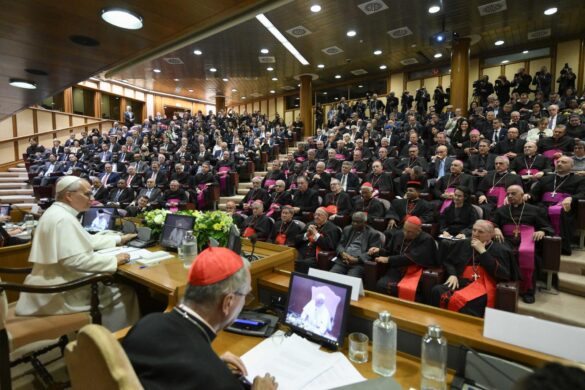
Pope Leo XIV has renewed his criticism of proposals to grant artificial intelligence systems legal rights or personhood, warning that treating machines as people could weaken human accountability. Speaking at a Vatican meeting on October 30, 2026, attended by artificial intelligence researchers and experts, the Pope argued that AI systems do not possess human experiences, emotions, relationships or moral responsibility. He stressed that machines are tools created by human beings and should not be treated as independent persons. His comments form part of a broader effort by the Vatican to influence international discussions about the ethical development and regulation of increasingly powerful AI technologies. The Pope also called for greater cooperation between governments, technology companies and scientific institutions to ensure that AI development protects human dignity and serves the common good.
One of the central concerns raised by Pope Leo is the possibility that granting AI systems legal personhood could make it more difficult to hold people and organisations responsible when automated systems cause harm. He argued that if an AI system receives legal status, companies and developers could potentially shift responsibility towards a machine rather than accepting accountability for the decisions made through its design and deployment. The Pope warned that people affected by harmful AI decisions could end up confronting what he described as a faceless entity. His position is that responsibility must remain with the individuals, businesses and institutions that develop, control and use these technologies. The debate over AI legal status is becoming increasingly important as automated systems take on more complicated roles in business, public administration and other areas of society.
The Pope also warned against allowing artificial intelligence to make decisions involving human life, freedom and the use of force. He specifically mentioned military targeting and border-control databases, explaining that people should never be reduced to data points in automated decision-making systems. According to him, decisions that could determine whether someone lives or dies must remain under effective, informed and responsible human supervision. He further encouraged countries preparing for discussions in Geneva in November to take concrete steps towards banning lethal autonomous weapons. Such weapons use artificial intelligence and other technologies to identify and engage targets with varying levels of human involvement. The issue has become a major international concern as governments and defence organisations explore the military applications of autonomous systems.
Beyond the question of legal rights, Pope Leo identified international regulation and independent oversight as urgent requirements for the future of artificial intelligence. He argued that ethical principles alone are insufficient without institutions capable of enforcing them. The Pope called for shared international standards, transparent decision-making procedures and clear accountability mechanisms that allow AI-related decisions to be investigated and challenged. He also stressed that the benefits of artificial intelligence should not be concentrated among a small number of powerful technology companies or wealthy countries. Instead, AI should support education, healthcare, scientific research and economic development while protecting vulnerable communities. These concerns are also reflected in his May 2026 encyclical, Magnifica Humanitas, which examines the relationship between technology, human dignity and social responsibility.
The Vatican’s position adds to the growing international debate about how artificial intelligence should be controlled as its capabilities continue to expand. Technology companies are developing systems that can independently complete tasks, operate software, analyse information and make decisions with limited human intervention. While these developments offer opportunities to improve productivity and scientific research, they also raise questions about privacy, security, accountability and the limits of automation. Pope Leo has not called for artificial intelligence to be abandoned; rather, he wants its development guided by human values and effective regulation. His latest remarks reinforce the argument that technological progress should not come at the expense of human responsibility. As governments prepare for further international discussions on AI governance and autonomous weapons, the challenge will be turning these ethical concerns into practical rules that technology developers and users must follow.