Anthropic IPO Filing Flags Data Centre Risks as AI Infrastructure Costs Soar
The company behind Claude has warned that electricity shortages, rising infrastructure costs, water constraints and growing opposition to data centre construction could threaten its expansion plans as demand for artificial intelligence accelerates.

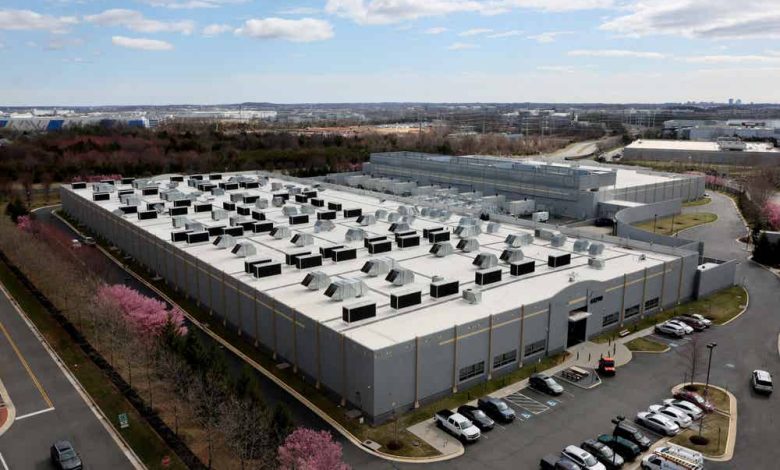
Anthropic has identified major data centre and infrastructure challenges in its initial public offering filing, revealing how the physical requirements of artificial intelligence could become a significant obstacle to its future growth. The company, which develops the Claude family of AI models, filed its registration statement with the US Securities and Exchange Commission on October 26, 2026. In the document, Anthropic explains that developing and operating advanced AI systems requires enormous computing capacity, specialised chips, reliable electricity, cooling systems and purpose-built facilities. Securing these resources has become increasingly difficult as technology companies compete to expand their AI infrastructure. Anthropic warns that delays in construction, shortages of essential equipment and rising operating costs could prevent it from obtaining sufficient computing power when needed. These challenges are particularly important because the company’s ability to train advanced models and serve customers depends on having enough infrastructure available at the right time. The filing demonstrates that success in the AI industry increasingly depends not only on software innovation but also on the ability to build and operate the physical systems that support it.
One of Anthropic’s most significant concerns is the growing demand for electricity. Large AI data centres require substantial amounts of power to operate thousands of specialised processors and maintain the cooling systems needed to prevent overheating. However, electrical grids in many regions were not designed to accommodate the rapid expansion of energy-intensive computing facilities. Building new power-generation capacity, upgrading transmission lines and securing grid connections can take years, potentially delaying planned data centre projects. Anthropic also warns that access to water for cooling may become more expensive or restricted in certain locations. Some projects may depend on dedicated power sources, including natural gas-fired generation, creating additional exposure to fuel prices, pipeline capacity and supply disruptions. If energy infrastructure cannot keep pace with demand, Anthropic could face higher costs, delayed deployments or limits on the amount of computing power it can use. These risks highlight the growing connection between the AI industry’s expansion and the availability of reliable, affordable energy.
The company is also confronting increasing opposition to new data centre developments. Communities, environmental groups and public officials have raised concerns about electricity consumption, water use, local infrastructure pressures and the environmental effects of large computing facilities. Anthropic’s filing warns that some jurisdictions are considering or introducing restrictions that could delay or prevent new projects. In areas where electricity supplies are already under pressure, regulators may impose limits on large energy consumers or require facilities to reduce their power usage during grid emergencies. Such measures could affect the locations where Anthropic and its partners can build or expand their operations. The company also acknowledges that much of its existing data centre infrastructure is concentrated in the United States, exposing it to regional power shortages, natural disasters, regulatory changes and other disruptions. Although Anthropic is pursuing international expansion to diversify its infrastructure, establishing facilities in new countries introduces additional legal, operational and regulatory challenges. These factors make securing suitable data centre locations a complex long-term undertaking rather than a straightforward construction project.
Another major issue is the financial risk associated with committing billions of dollars to infrastructure before it becomes fully operational. Anthropic has entered into long-term agreements involving computing resources, equipment and data centre capacity, with some arrangements requiring substantial payments over several years. Its filing describes an equipment lease arrangement with aggregate rent payments of approximately $125.2 billion over five years, excluding interest, illustrating the scale of its infrastructure commitments. These obligations can create financial pressure if construction is delayed, customer demand grows more slowly than expected or the technology changes before the equipment has delivered its intended value. Advanced chips and computing systems can also become less efficient relative to newer alternatives, creating the risk that expensive infrastructure will not remain competitive throughout its useful life. Anthropic warns that inaccurate forecasts could leave it with insufficient capacity or expensive resources that are not being fully used. The company must therefore balance the need to secure computing power ahead of future demand against the danger of taking on commitments that could become difficult to support financially.
Anthropic’s disclosures reveal a broader challenge facing the global artificial intelligence industry: the race to develop more capable models is increasingly dependent on physical infrastructure, energy availability and access to capital. The company reported first-half 2026 revenue of approximately $16.29 billion, alongside a reported net loss of around $80.75 billion, largely reflecting substantial non-cash accounting charges. Although the revenue growth demonstrates strong demand for its products, its financial results also illustrate the complexity of funding an expanding AI business. As Anthropic prepares for a potential stock market debut, investors will need to assess whether its infrastructure spending can translate into sustainable revenue and long-term profitability. The company’s ability to secure reliable power, complete projects on schedule, manage long-term contracts and respond to community concerns could influence its competitive position. For the wider technology sector, the message is clear: the future of AI will not be determined by model performance alone. Companies must also solve the practical challenges of powering, financing and building the infrastructure required to bring advanced artificial intelligence to millions of users.