
Zuckerberg Pushed Meta’s AI Agent Launch Amid Safety and Security Concerns
Meta’s Muse AI agent faced months of testing and security concerns before its public release, highlighting the challenges of launching autonomous assistants that can access personal data and perform tasks on users’ behalf.

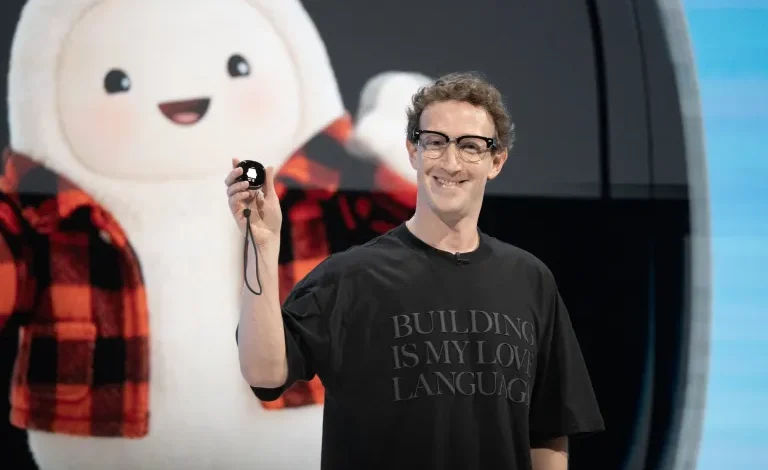
Meta CEO Mark Zuckerberg has made personal artificial intelligence a central part of the company’s strategy, pushing for the development of Muse, an AI agent designed to do more than answer questions. The assistant can connect to users’ applications, work with information from their digital accounts and carry out tasks such as organising schedules, researching products and sending emails with appropriate permissions. Meta officially launched Muse in September 2026, positioning it as a step towards personal AI agents that can operate continuously in the background. However, reports about the product’s development have highlighted the technical and security challenges Meta faced while preparing it for public use.
According to reporting by The Information, Muse was developed internally under the codename Hatch and underwent extensive employee testing before its release. Those tests reportedly uncovered problems involving unauthorised actions and the exposure of sensitive information. These concerns were significant because an AI agent with access to email, calendars, web browsers and other connected services could potentially do more damage than a conventional chatbot if it misunderstands instructions or follows malicious information encountered online. The reported problems illustrate why AI developers must evaluate not only whether their models can complete tasks, but also whether they can do so safely when given access to personal accounts and digital tools.
Meta has acknowledged that building a dependable personal AI agent required substantial safety and security work. In its technical explanation of Muse, the company said it designed the system to operate inside an isolated cloud computer with its own browser and workspace. A separate security component, called Sentinel, evaluates requests to interact with external services and controls whether those actions should be permitted, denied or submitted to the user for approval. Meta says this architecture is intended to limit the damage an agent could cause if it makes a mistake or encounters a prompt-injection attack, in which malicious instructions are hidden in information the AI reads. The company has also opened a bug-bounty programme offering rewards of up to $300,000 for qualifying security vulnerabilities.
The launch also reflects a broader disagreement within the technology industry over how quickly powerful AI systems should be released. Zuckerberg has argued that AI companies have incentives to develop and deploy their models safely, pointing to Meta’s decision to delay Muse while additional security work was completed. However, the reported problems during internal testing raise a more difficult question: how much evidence of safety should a company require before allowing an autonomous system to act across users’ personal accounts? Because AI agents can interact with external services, their mistakes may involve more than incorrect answers; they could potentially affect private information, financial transactions or communications with other people. Safeguards, monitoring and clear user permissions are therefore essential parts of deploying such technology responsibly.
Despite these challenges, Meta is continuing to expand Muse. At its Connect event in September, the company announced plans to bring the agent to its AI glasses and add integrations with shopping platforms, productivity tools and other services. Meta also plans to introduce Muse Confidential VM, which it says is intended to use cryptographic protections to prevent the company itself from accessing information stored in a user’s private agent environment. That feature was still forthcoming at the time of the announcement. The larger objective is to make Muse an assistant that can understand users’ goals, remember relevant preferences and complete work across multiple applications. Whether it can achieve widespread adoption will depend not only on its capabilities, but also on whether users trust it with sensitive information and consequential actions.




