
Anthropic Updates Claude Code to Enable More Autonomous AI Development
Anthropic is expanding autonomous capabilities in Claude Code, allowing its AI coding assistant to complete longer tasks with fewer interruptions while using automated safety checks to block potentially dangerous actions.

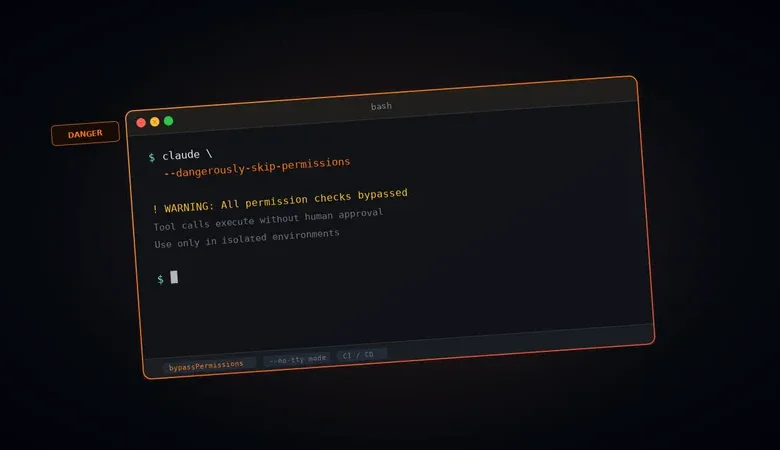
Anthropic is advancing its artificial intelligence development tools with updates to Claude Code that allow developers to delegate more work to AI agents without repeatedly approving every action. The changes reflect a broader shift in the AI industry from assistants that simply generate code towards systems that can plan, execute, test and improve software with less direct human intervention. On October 22, 2026, Anthropic updated its announcement about Auto Mode, confirming that the feature would begin rolling out as the default for new sessions in most Claude applications for Pro, Max and Team subscribers. Rather than stopping to request approval for every operation, Claude Code uses an automated safety classifier to assess proposed actions before they are executed. Safe operations can proceed, while potentially dangerous actions are blocked and the system looks for an alternative approach. The goal is to help developers complete complex projects more efficiently without abandoning essential security protections.
One of the most important benefits of the update is Claude Code’s ability to work through longer software development tasks. Developers can ask the agent to investigate a bug, modify several files, implement a feature, run tests and correct problems uncovered during testing. Instead of requiring constant supervision at every step, Auto Mode evaluates tool calls and allows appropriate actions to continue within the system’s safeguards. Anthropic says its engineers have used this approach to create a development loop in which Claude builds a user interface, checks the result against the intended design and automatically corrects issues before a human reviews the finished work. This approach could reduce repetitive tasks, shorten development cycles and allow engineers to focus on architecture, product decisions and more complicated technical challenges. However, the quality of the final result still depends on appropriate instructions, reliable testing and human review.
Security remains a central concern as AI coding agents receive greater freedom to interact with files, execute commands and operate across software projects. Anthropic has previously explained that unrestricted access can expose developers to risks such as accidental file deletion, malicious instructions embedded in project content and unauthorised access to sensitive information. To address these concerns, the company has developed several layers of protection, including automated safety checks and sandboxing. Sandboxing establishes boundaries around which files an agent can access and which network connections it can make. This can reduce the damage a compromised or misdirected agent could cause. Auto Mode takes a complementary approach by evaluating proposed actions and blocking operations considered dangerous, irreversible or outside the intended working environment. Although these protections can reduce risk, they cannot guarantee that every harmful action will be detected, making controlled permissions, backups and careful monitoring important for developers.
The rollout also highlights Anthropic’s effort to make autonomous AI development accessible without requiring every user to configure the system manually. According to the company’s October update, Auto Mode was scheduled to become the default for new sessions in most Claude applications for Pro, Max and Team subscribers, with the rollout beginning the following week. Users who had already selected their own permission settings could retain those preferences or receive a prompt about switching to the new default. Enterprise customers and users accessing Claude Code through the API and certain cloud platforms were given additional time before any broader default change. Anthropic has also said that the automated classifier’s additional token overhead would no longer be charged separately to Claude Code subscribers on the relevant plans. The staged approach gives organisations time to assess how the feature fits their existing development policies, particularly when working with confidential code, production systems or business-critical applications.
Anthropic’s latest changes illustrate how competition in artificial intelligence is increasingly centred on agents that can complete substantial work rather than simply answer questions. For software companies, more autonomous coding tools could help accelerate product development, improve testing coverage and reduce the time engineers spend on repetitive maintenance. Smaller development teams may also be able to accomplish tasks that previously required more people or longer working hours. However, greater autonomy introduces important questions about accountability, reliability and security, especially when an agent can execute commands or change large sections of a codebase. Businesses will need to establish clear boundaries, review important changes and test AI-generated work before deploying it. As Anthropic continues expanding Claude Code’s capabilities, the decisive measure of success will be whether the system can deliver dependable results while keeping risks manageable. The development signals a future in which human programmers increasingly direct, supervise and evaluate AI agents rather than manually carrying out every stage of software production.




