
AMD Unveils Personal AI Strategy as Computing Moves Closer to the User
Chipmaker Introduces New Ryzen AI Platforms and High-Performance Systems at IFA 2026, Targeting a Future Where Powerful AI Runs Directly on Personal Devices

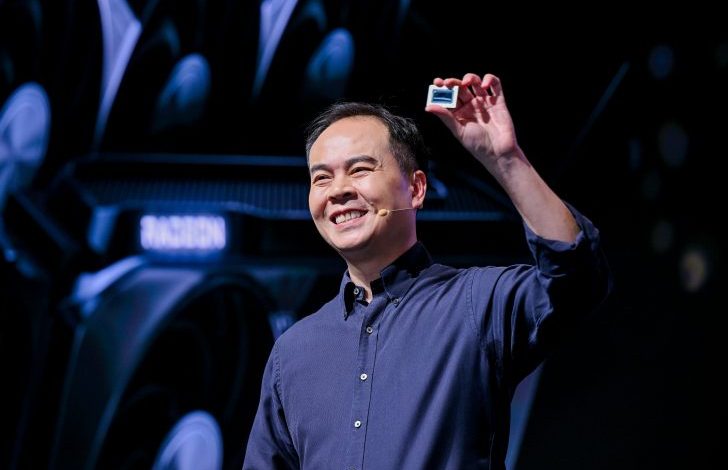
AMD has unveiled its vision for the next generation of personal computing at IFA 2026 in Berlin, placing artificial intelligence at the center of its strategy for PCs and workstations. During the opening keynote, AMD executive Jack Huynh described a future in which AI becomes more personal and proactive, allowing computers to work alongside users rather than simply responding to commands. The company is positioning local AI as an important part of the next phase of computing.
A major part of AMD’s strategy is its Ryzen AI platform, which is designed to bring increasingly powerful AI processing directly to PCs. New systems based on Ryzen AI Max PRO technology can use large pools of unified memory to handle sophisticated AI workloads locally, reducing the need to send every task to cloud-based services. Reports from IFA indicate that some configurations can support AI models with hundreds of billions of parameters, opening new possibilities for developers and advanced PC users.
AMD also showcased its more powerful Threadripper Halo Station, a high-end workstation aimed at demanding AI applications. The system combines a 96-core Threadripper PRO processor with AMD Instinct accelerators and can be configured with hundreds of gigabytes of high-bandwidth memory. AMD says the platform is capable of handling AI models containing more than one trillion parameters, demonstrating how the company’s personal-AI strategy extends beyond conventional laptops and desktops into professional computing.
The company’s approach also emphasizes keeping AI processing closer to where data is generated. Running more AI workloads locally can potentially improve responsiveness while giving users and organizations greater control over sensitive information. AMD is therefore targeting developers, creators and professionals who want to experiment with increasingly capable AI systems without depending entirely on remote infrastructure. Its broader software and hardware ecosystem is being developed to make local AI development more accessible.
AMD’s IFA presentation reflects a wider industry shift toward personal and local AI. Instead of relying exclusively on massive cloud data centers, technology companies are increasingly developing hardware capable of performing sophisticated AI tasks directly on PCs and other edge devices. With Ryzen AI platforms, Instinct accelerators and high-performance workstations, AMD is attempting to establish itself as a major supplier for this emerging computing model. The success of the strategy will depend on how quickly developers and consumers adopt local AI and whether future applications can take full advantage of the available hardware.




