
US Officials Question Nvidia’s Efforts to Stop AI Chip Smuggling to China
U.S. officials are raising fresh questions about whether Nvidia has done enough to prevent its advanced AI chips from being diverted to China, following several investigations into alleged smuggling networks.

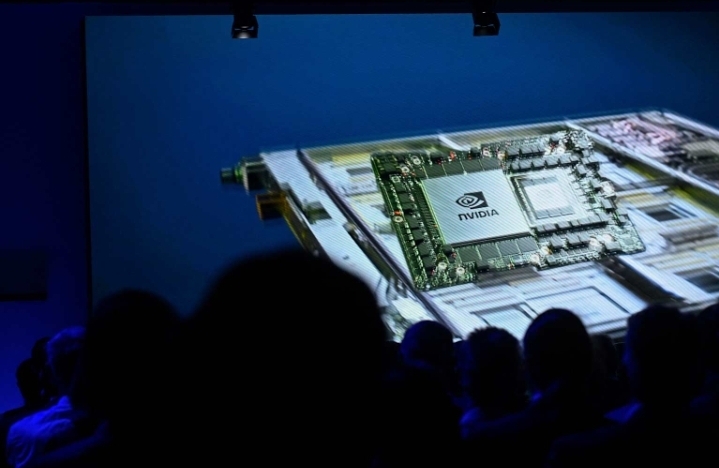
U.S. officials are questioning Nvidia’s efforts to prevent its advanced artificial intelligence chips from reaching China through third countries, as authorities investigate a growing number of alleged export-control violations. The concerns have intensified following criminal cases involving Nvidia-powered servers that prosecutors say were routed through countries including Malaysia and Singapore before allegedly reaching Chinese customers. Nvidia has not been accused of participating in the smuggling schemes and maintains that it follows U.S. export-control requirements.
The latest case involves Greg Lui, a California-based technology executive who was arrested on allegations that he helped arrange the shipment of servers containing Nvidia AI chips worth more than $300 million to China. U.S. prosecutors allege that the equipment was moved through intermediary countries in an effort to bypass American restrictions. The charges are allegations, and Lui is presumed innocent unless proven guilty in court.
The investigations have raised questions about Nvidia’s customer-screening and supply-chain controls. Officials have pointed to unusual flows of high-performance computing equipment into Southeast Asian countries, including Thailand and Singapore, questioning whether the volume of hardware going into those markets could be explained entirely by legitimate local demand. Earlier investigations have also involved allegations that Nvidia products worth hundreds of millions of dollars were diverted to China through third countries.
Nvidia has repeatedly said it takes export compliance seriously and follows U.S. laws governing the sale of advanced computing products. The company has also faced congressional scrutiny over whether its compliance systems are sufficient. In June, Senator Elizabeth Warren questioned Nvidia about allegations in several criminal cases involving the diversion of its products and asked whether the company’s board and audit committee had adequately reviewed its export-control procedures.
The controversy comes as Washington continues tightening controls on advanced AI technology that could strengthen China’s computing and military capabilities. The U.S. government has moved to close potential loopholes involving Chinese companies operating outside China, while Nvidia has warned that expanding export restrictions could affect its business and competitiveness. The latest investigations demonstrate the difficulty of enforcing restrictions once sophisticated AI hardware enters international supply chains, and they are likely to keep pressure on Nvidia and other semiconductor companies to strengthen monitoring of customers and distributors.




