
2026 Set to Become One of the Four Hottest Years on Record, UN Warns
The World Meteorological Organization warns that strengthening El Niño conditions, rising ocean temperatures and greenhouse gas emissions are intensifying global warming and increasing the risk of extreme weather.

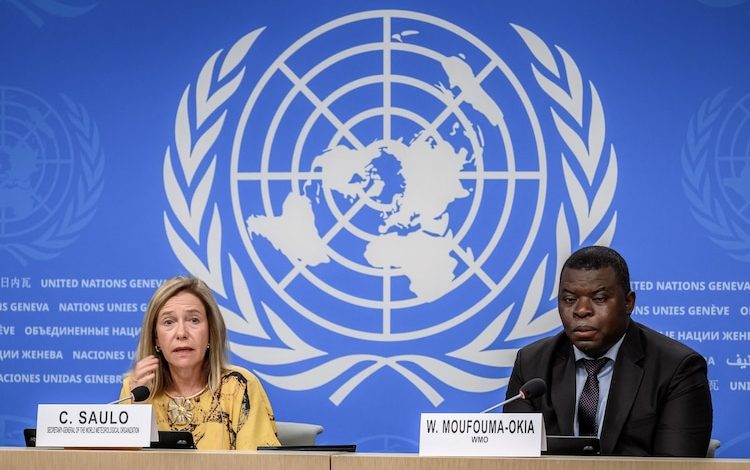
The United Nations’ World Meteorological Organization (WMO) has warned that 2026 is on track to become one of the four hottest years ever recorded, extending an extraordinary period of global temperature increases. In its latest State of the Climate report released on November 9, the agency revealed that global average temperatures between January and September were approximately 1.47 degrees Celsius above pre-industrial levels. The findings show that the past 12 years, from 2015 to 2026, are expected to become the warmest consecutive period in recorded history.
Scientists attributed the rising temperatures to continued greenhouse gas emissions and an increasingly powerful El Niño weather phenomenon. The naturally occurring climate pattern releases heat stored in the Pacific Ocean, contributing to higher global temperatures and changing weather conditions worldwide. According to the WMO, the current El Niño has been intensifying since August and could reach exceptional strength by December. Its effects are expected to increase the risks of extreme heat, droughts and heavy rainfall well into 2027, raising concerns about another potential record-breaking year.
The report also highlighted worrying developments across the world’s oceans and freshwater systems. Global ocean heat content has continued increasing, while average sea levels reached their highest point since satellite measurements began in 1993. Rising temperatures are accelerating the melting of glaciers and polar ice sheets, while warmer seawater expands and contributes further to sea-level rise. The WMO also reported that freshwater stored on land has been declining globally since 2014, creating additional risks for agriculture, water supplies and communities that depend on stable freshwater resources.
The findings were released as world leaders gathered in Antalya, Türkiye, for the COP31 climate conference, which runs from November 9 to 20. UN Secretary-General António Guterres urged governments to accelerate emissions reductions, transition towards cleaner energy and provide financial assistance to vulnerable countries facing increasingly severe climate impacts. The WMO warned that extreme weather events are becoming more dangerous as the planet accumulates heat, making reliable climate monitoring and early-warning systems increasingly important. The agency is expected to publish its final State of the Global Climate 2026 report in March 2027.




